Shatoo Kamaran and the Making of Jargy
Content warning: This post contains graphic special-effects makeup, including simulated blood, wounds, and gore. All imagery is staged and created for artistic and professional purposes only.
One of One
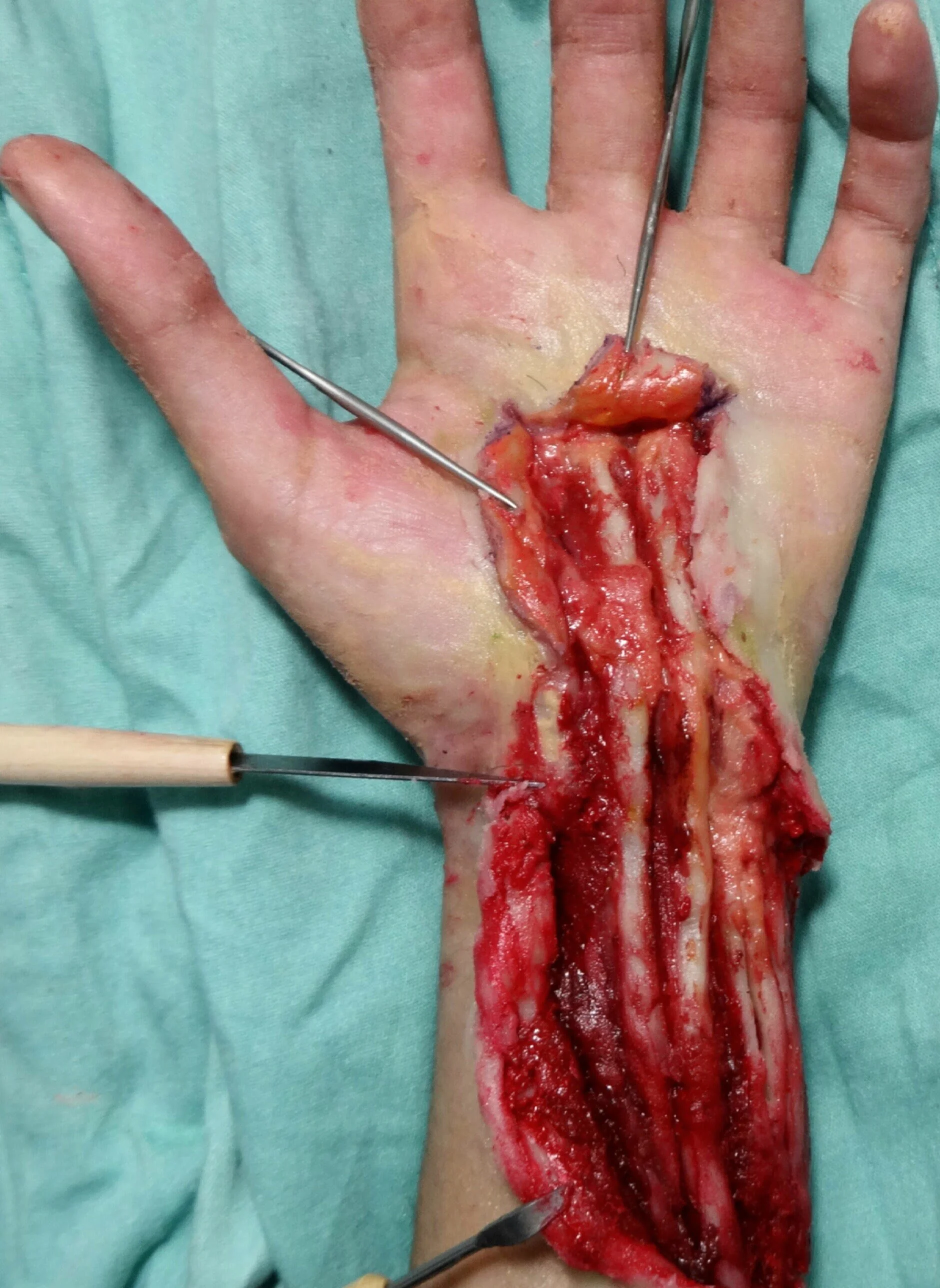
Long before a studio existed, there was only a basement, where bananas transformed into flesh and sourdough became sculpted, open wounds. At 3 a.m., Shatoo Kamaran, a Kurdish artist from Slemani, could be found downstairs, cloaked in white paint and fake blood, inventing homemade prosthetics and makeup before ever stepping onto a film set. Those wild, improvised experiments in the dead of night would eventually become Jargy : Kurdistan’s first special effects studio and Iraq’s first female-owned studio of its kind. Teaching herself through online tutorials, surgical videos, and relentless trial and error, Shatoo carved out a place for special effects makeup in Kurdish cinema where none had existed before.
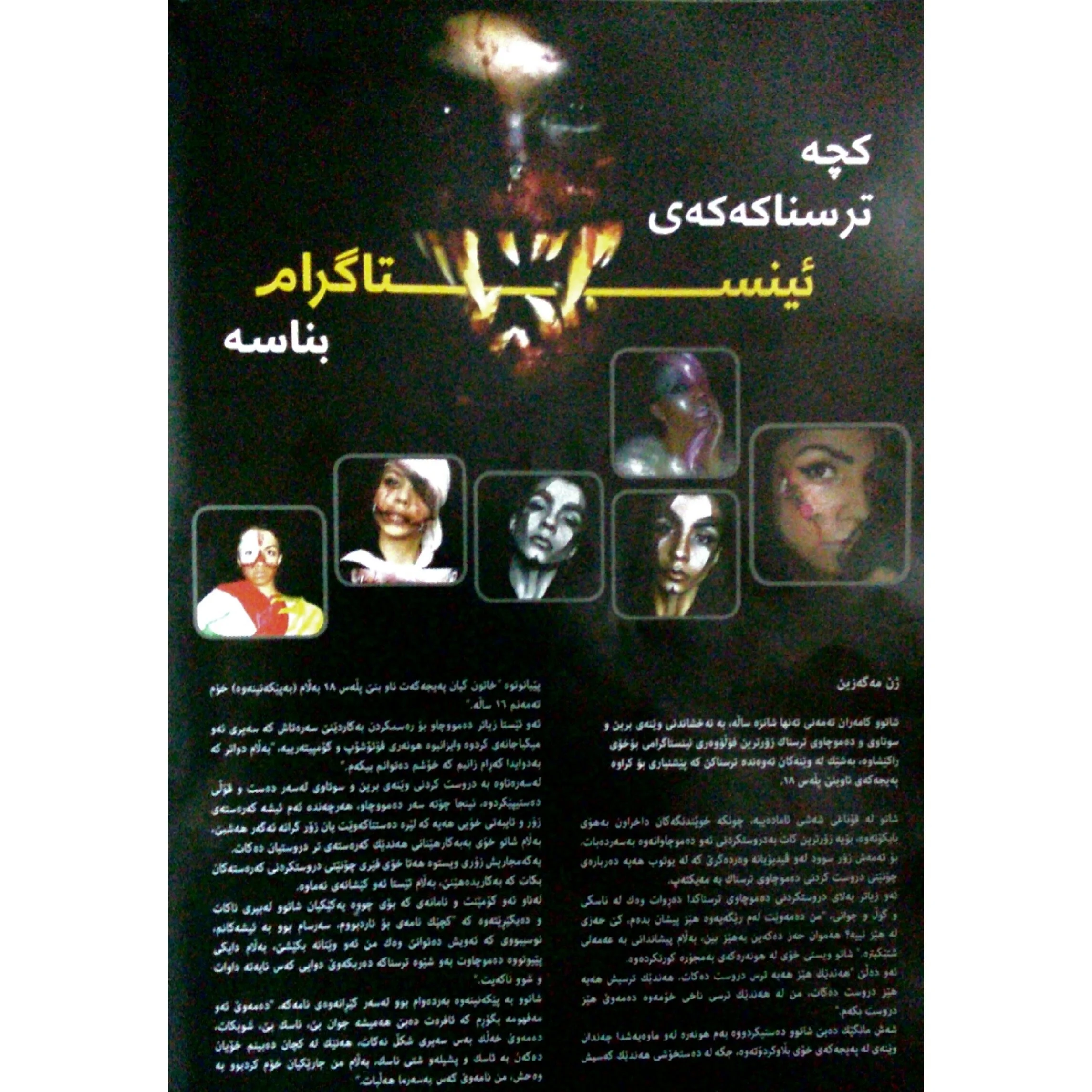
I had long been fascinated by transformative makeup when I was young; I loved its use in film and was an avid viewer of Face Off, the special effects competition series that aired around 2011. I was captivated by the idea that a face or body could become an entirely different character through handmade sculpture, colour and pure imagination. So when I first came across Shatoo’s work on local turf back in 2021, I was immediately drawn in. Her creations felt original, confident and unmistakably her own. She was unafraid to transform herself completely, using her own face and body as a canvas while building characters that seemed to inhabit worlds shaped by Kurdistan, yet reaching far beyond it. What struck me most was not simply her technical ability, but the conviction behind it: Shatoo never seemed interested in making herself conventionally beautiful. She was willing to disappear into the work.
In a Kurdish region where special effects makeup was nearly unknown and often imported from neighbouring Iran, Shatoo Kamaran single-handedly built a special FX studio from scratch. Her rare mix of grit and passion calls not just for recognition, but for genuine admiration.
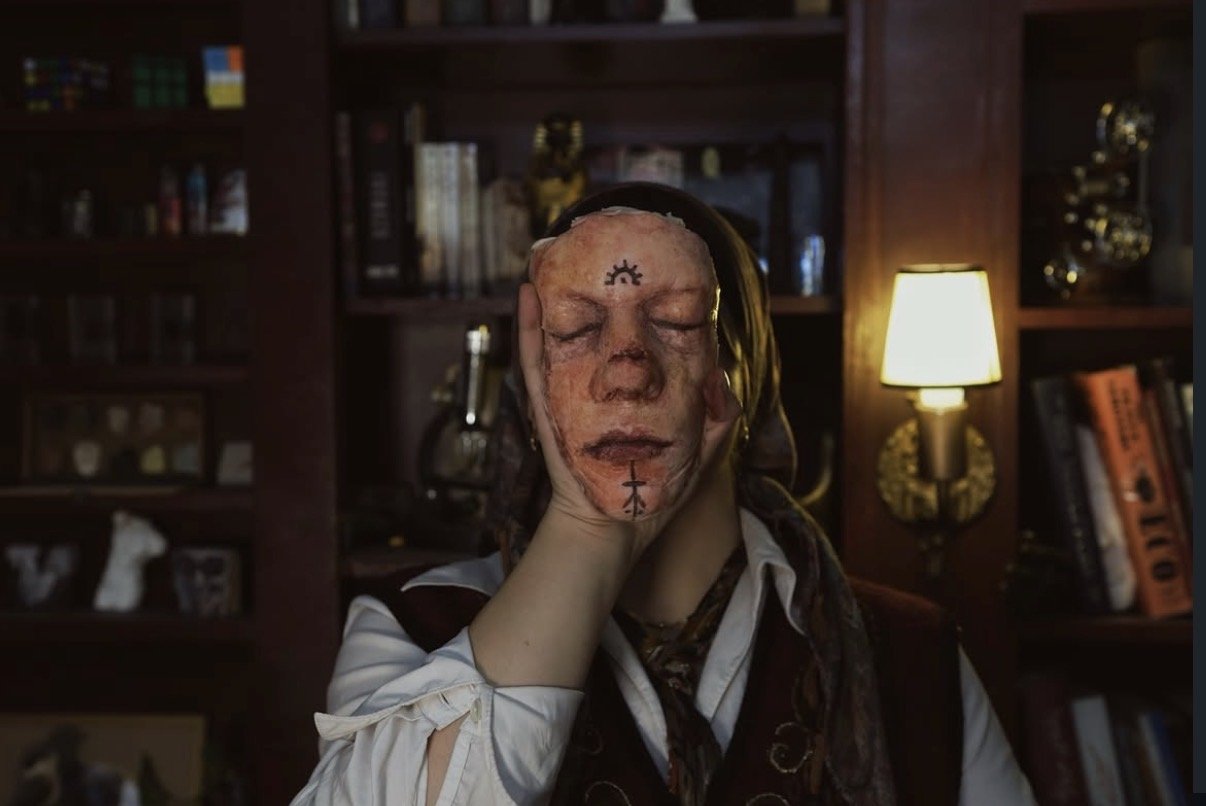
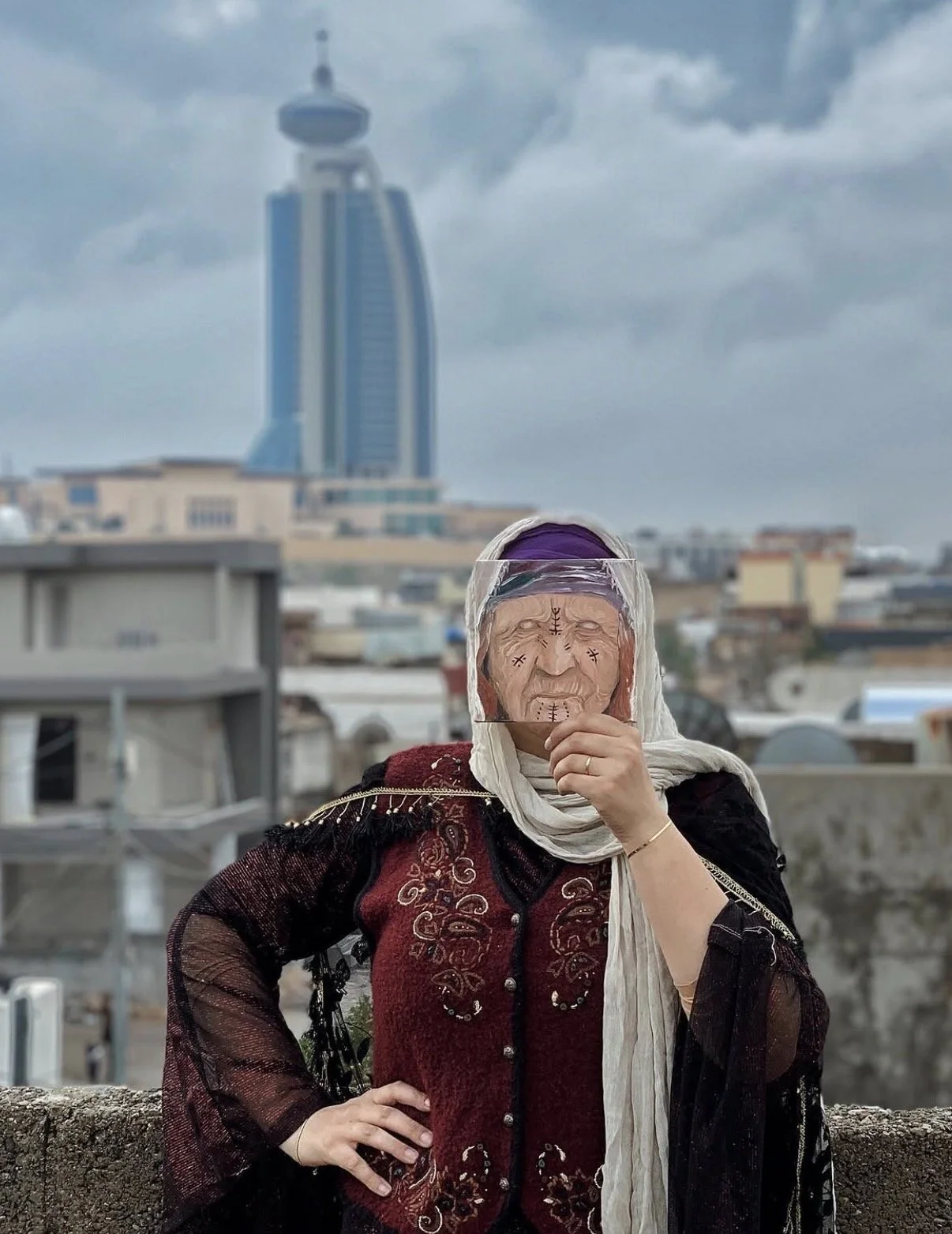
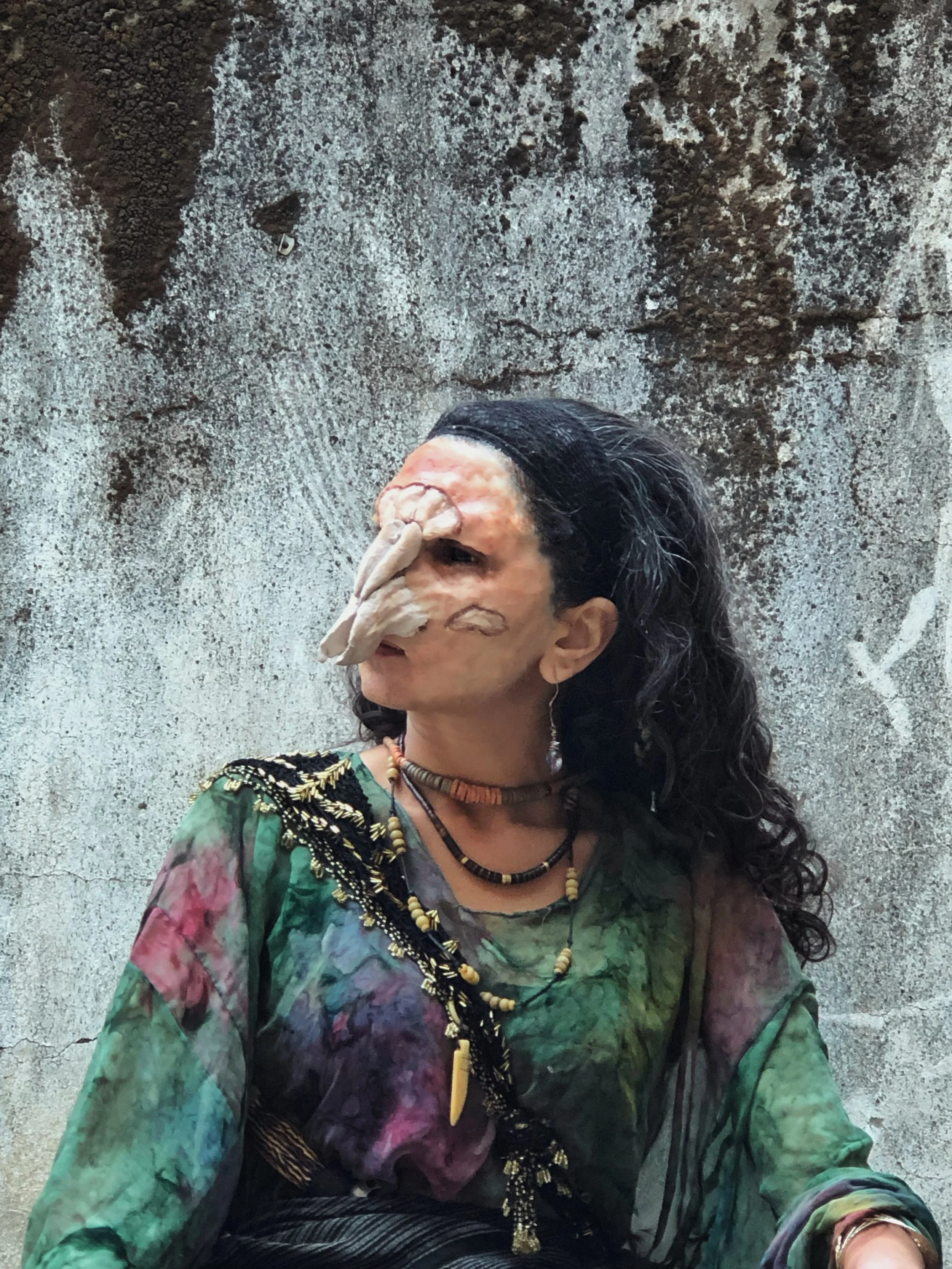
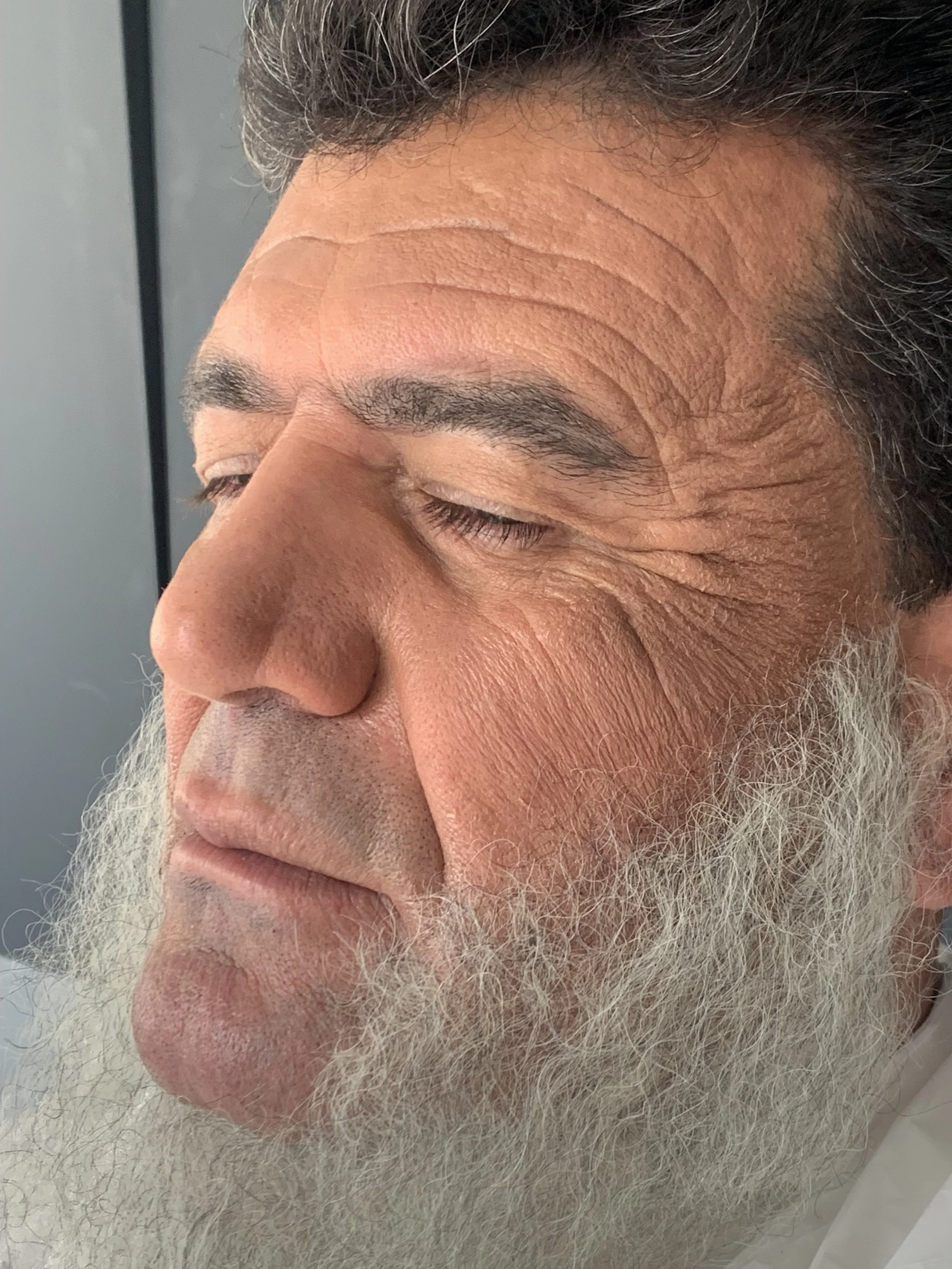
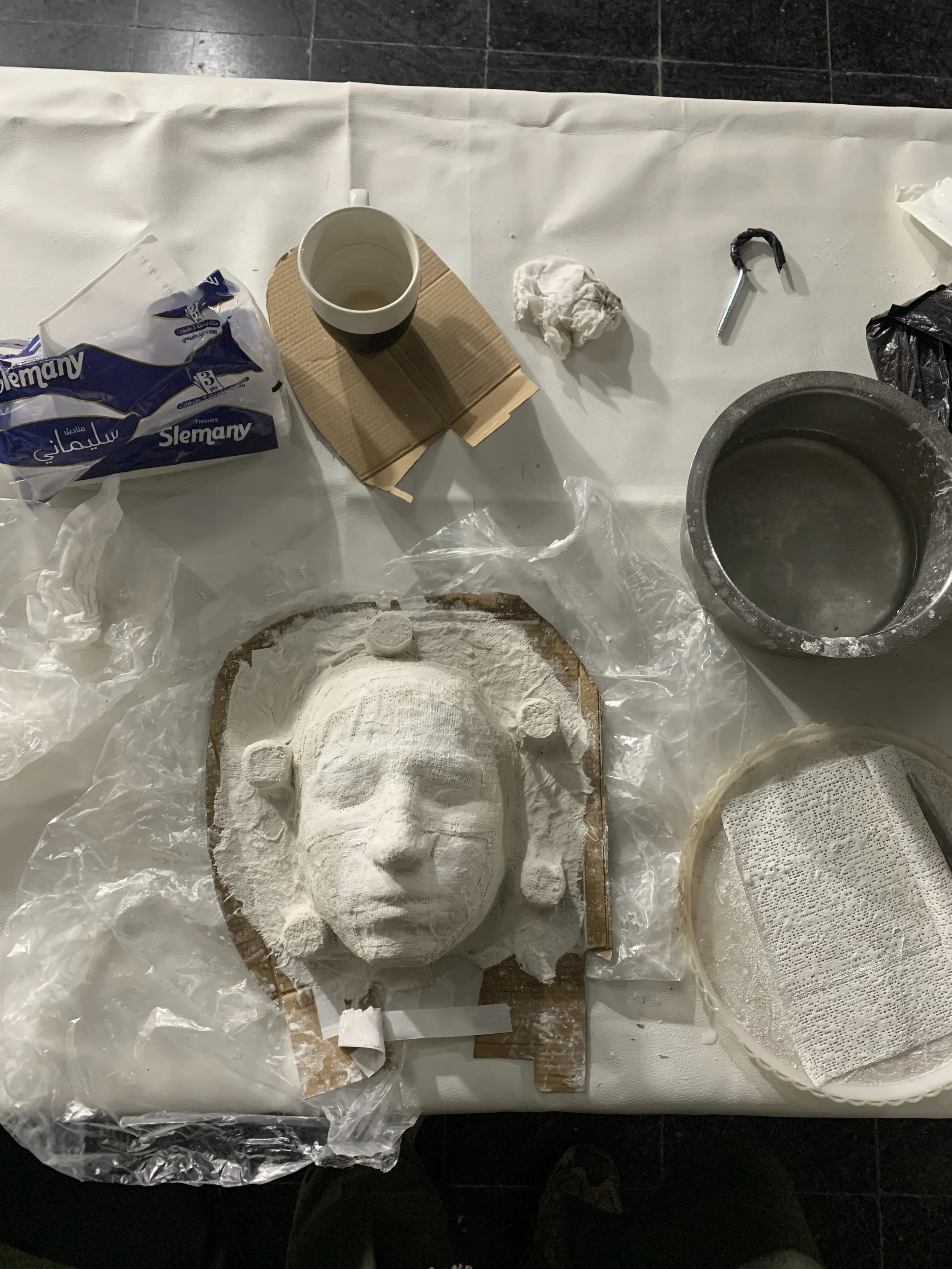
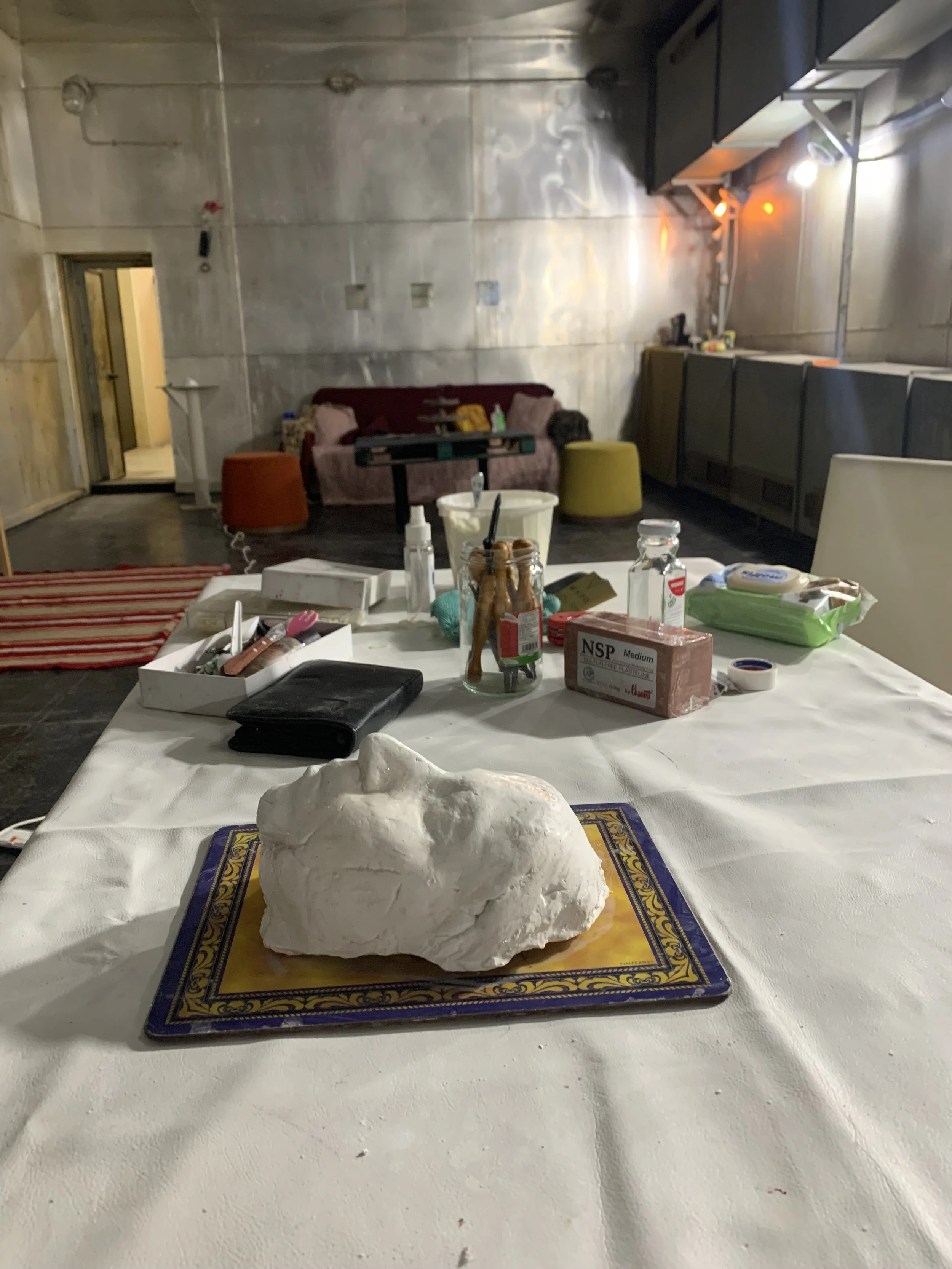
Shatoo displaying a prosthetic face mask she crafted. Photo/Jargy
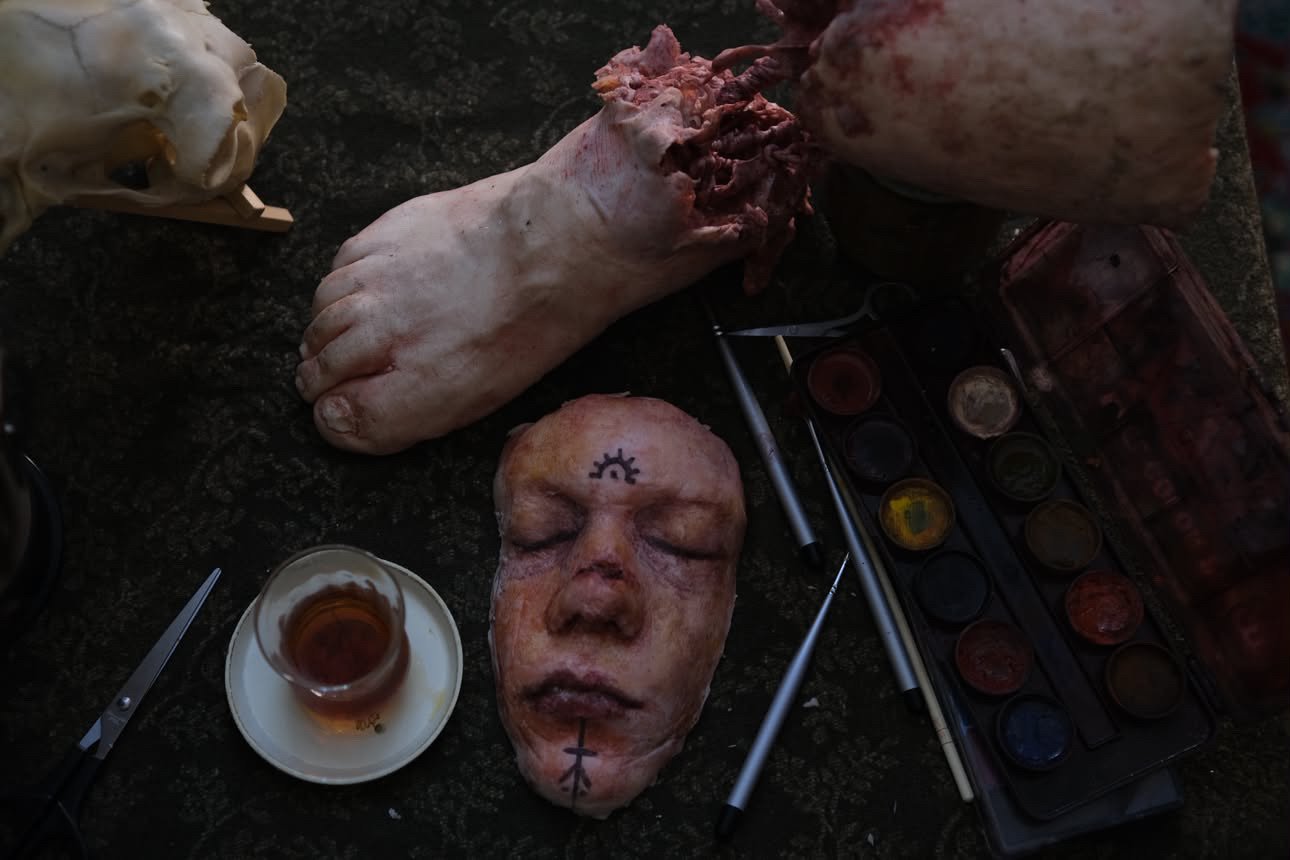
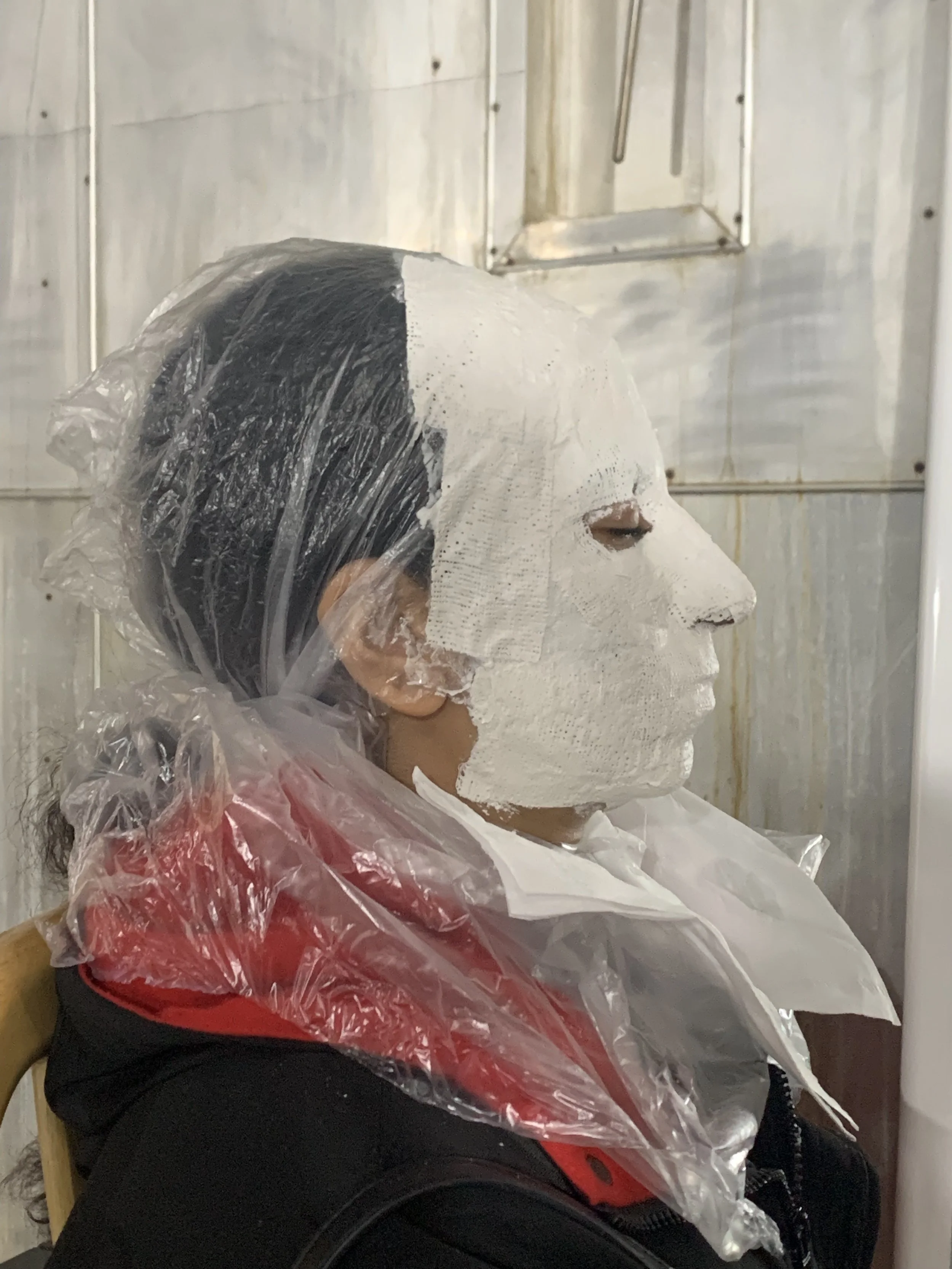
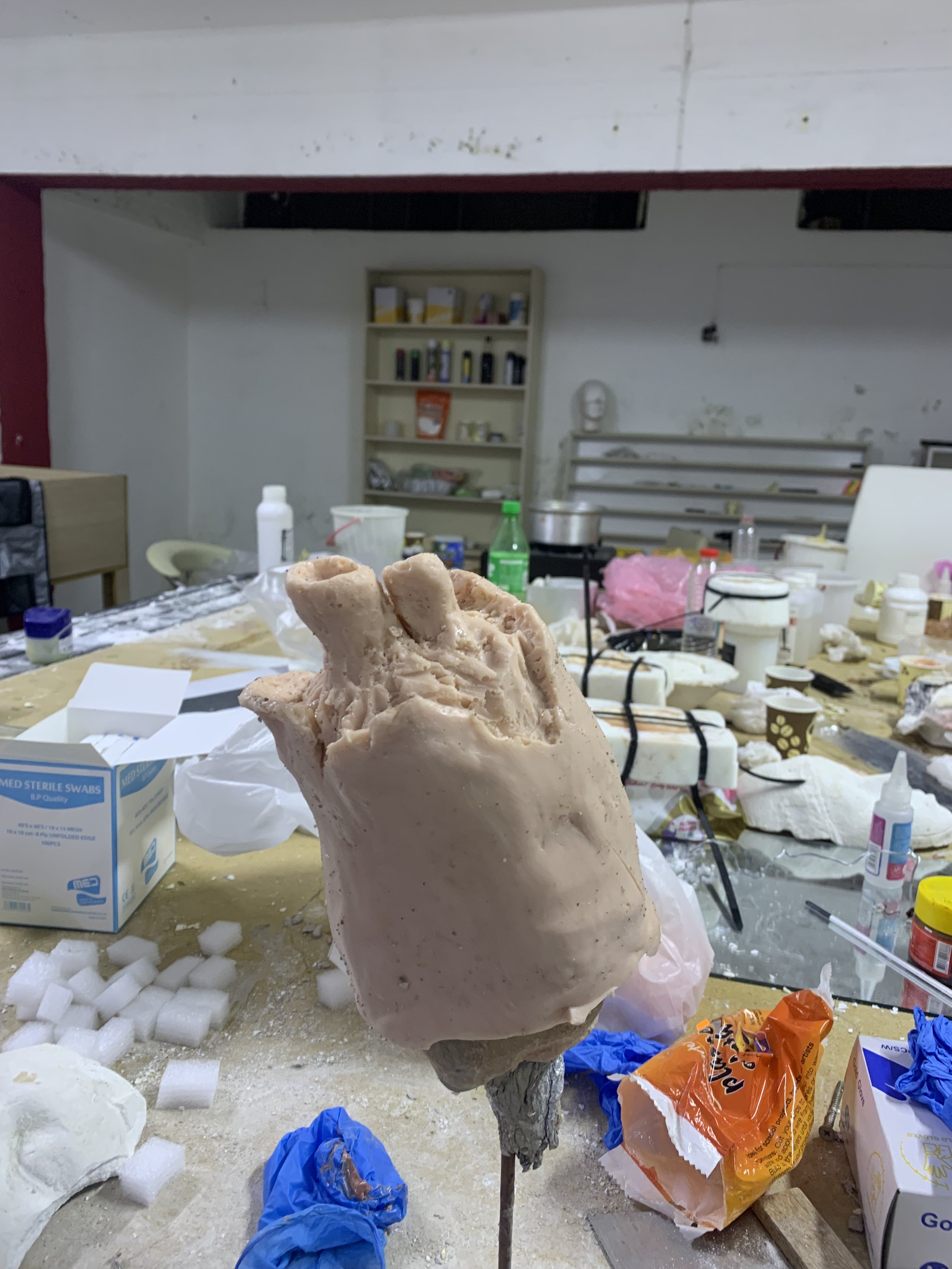
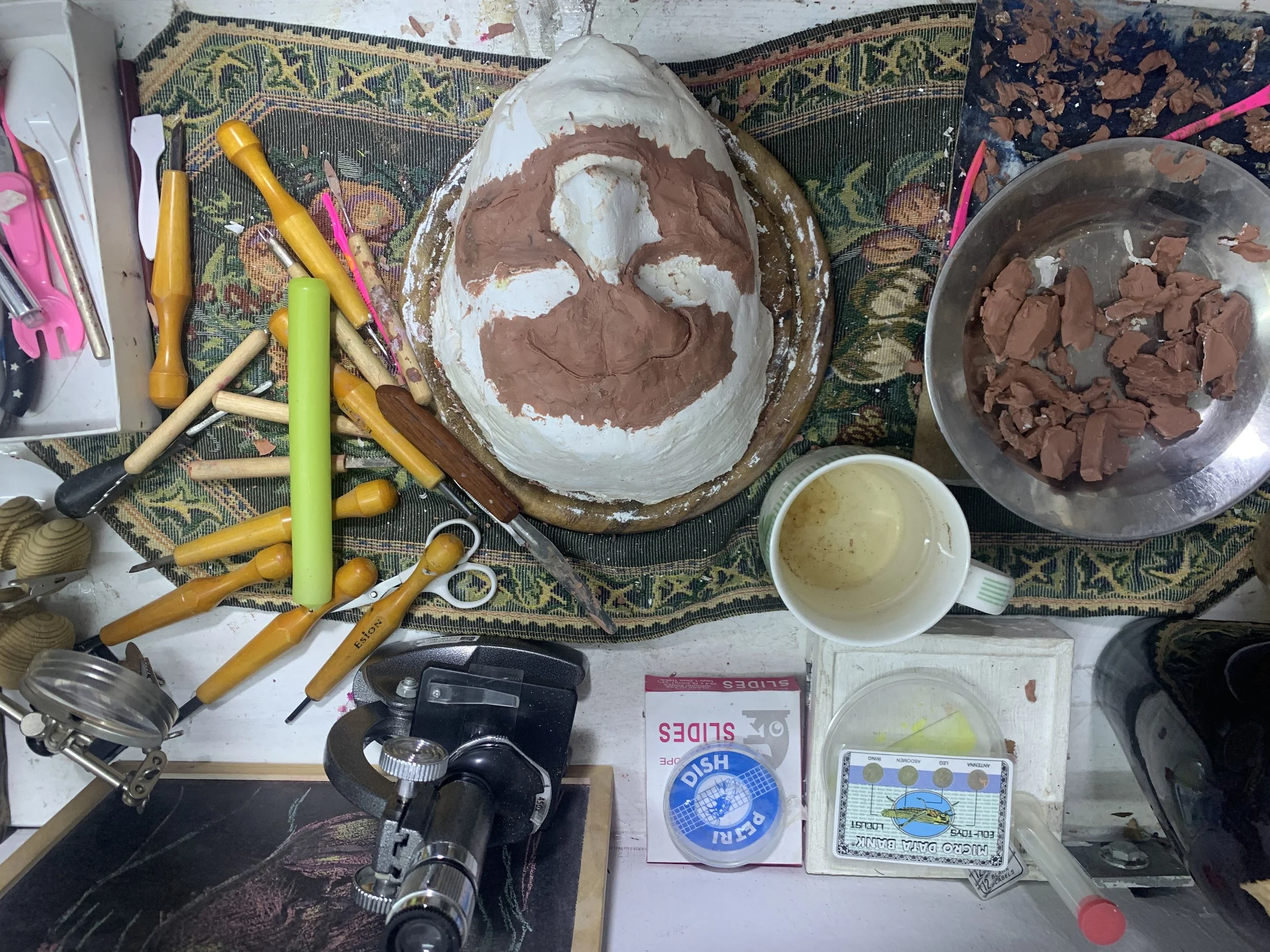
A photo of Shatoo’s workstation and prosthetic creations. Photo/Jargy
Becoming Self-Taught
Shatoo was born and grew up in the Kareza Wshk neighbourhood of Slemani, Southern Kurdistan, and was always interested in the creative world of transformative art. Before discovering special effects, she spent her early years drawing, painting and playing with colours. Around age fifteen, she decided to try something beyond pen and paper. As a self-described environmentalist, Shatoo began to repurpose old makeup products she found at home and taught herself to paint with them. This period of experimentation soon developed into a passion for special effects makeup after she discovered online videos that mixed beauty makeup with prosthetics and horror effects “Holy shit, this is what I want to do. This is what I feel like I’m made for,” she recalls. With no formal training and no local industry or materials available in Kurdistan, she taught herself from YouTube tutorials, behind-the-scenes horror film clips, and surgery videos to study anatomy, wounds, and prosthetics. Starting with materials like sourdough, oil paints, and mashed bananas to mimic flesh, pus, and blood, Shatoo built the foundational skills throughout her teenage years that she would later use to establish Jargy Studio.
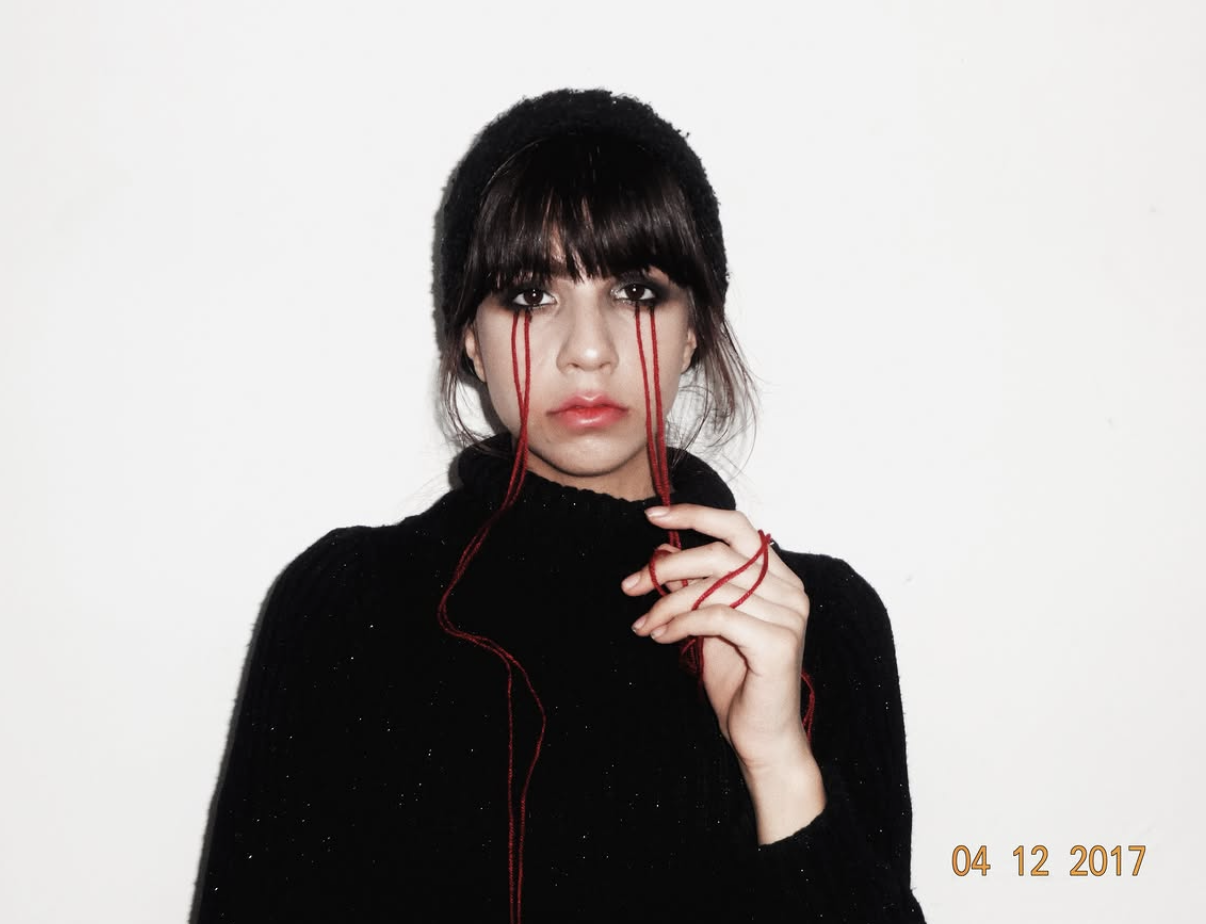
Shatoo Kamaran, 17, exploring art through her own experimentatio. Photo/Shatoo Kamaran
Art and Advocacy Online
In 2015, Instagram became Shatoo’s stage and living archive. Working from her basement in Slemani, she shared increasingly ambitious creations, from realistic incision wounds and prosthetics to horror-inspired character transformations. As her technical skills developed, so did the audience for her work. At a time when no one else in the region appeared to be creating special effects in this way, her posts introduced many viewers to an art form rarely seen in Kurdistan. Over six years, the account documented her experiments, characters, campaigns and gradual technical development, eventually growing to around 12,000 followers.
But Shatoo’s art was never just about prosthetics and special FX. She used her own body as a canvas to speak out for women’s rights, tackling subjects that Kurdish society often kept behind closed doors. In 2017, she painted on period pads for a campaign about menstruation, and later made a video sharing her own personal experiences navigating her menstrual cycle. Shatoo also created artwork that incorporated condoms and sexual health, bringing these materials into her family home for art. At the same time, her parents stayed mostly unaware of the activism unfolding around them, which was undoubtedly for the best, as her work was sparking strong reactions online.
In 2021, Instagram permanently removed the account after posts involving fake blood and other material were flagged as inappropriate. The loss was devastating. For Shatoo, the page had functioned like a visual diary, preserving the risks, experiments and small breakthroughs that shaped her earliest years. Losing it meant losing not only an audience, but six years of momentum and proof of how far she had come.
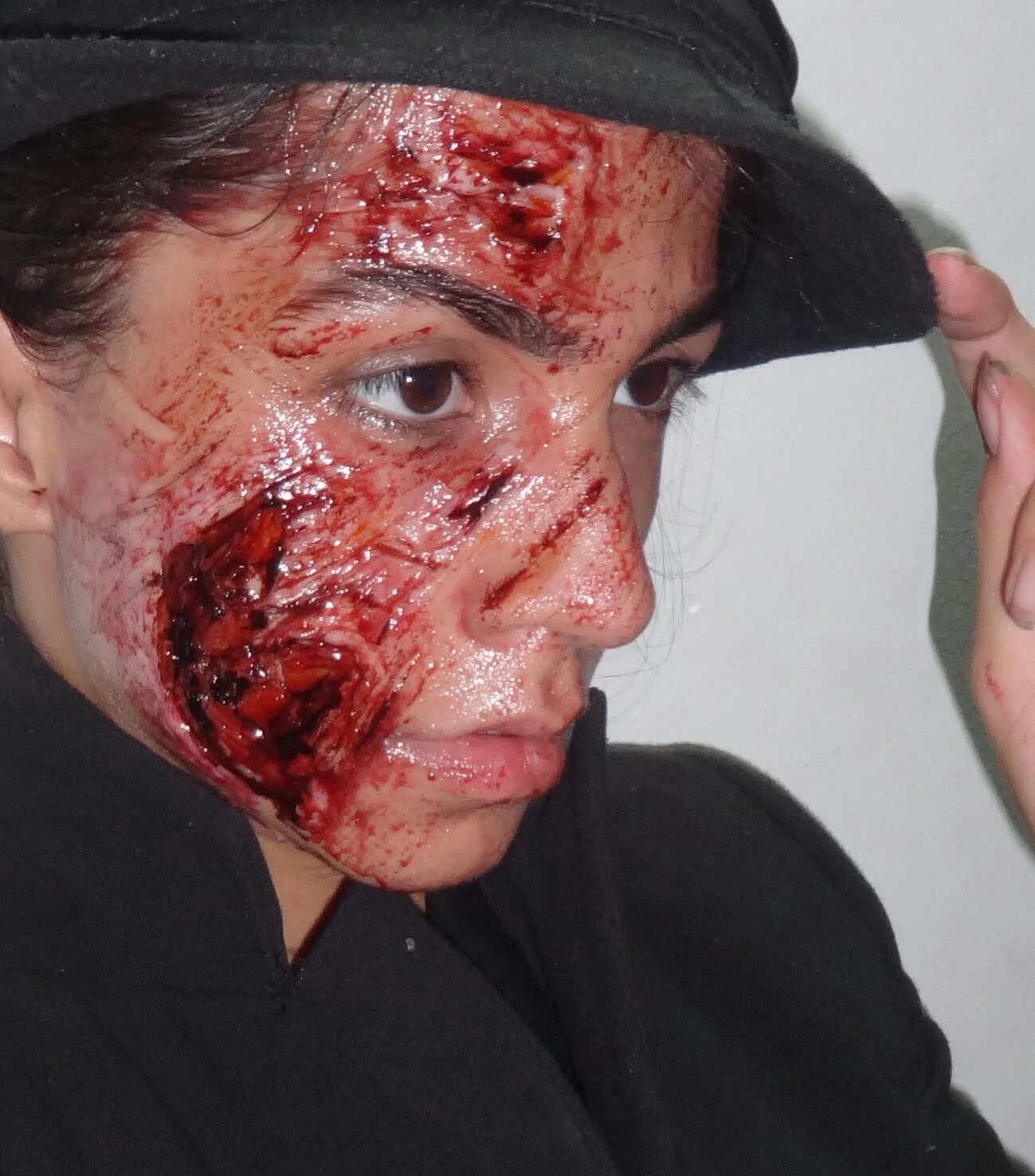
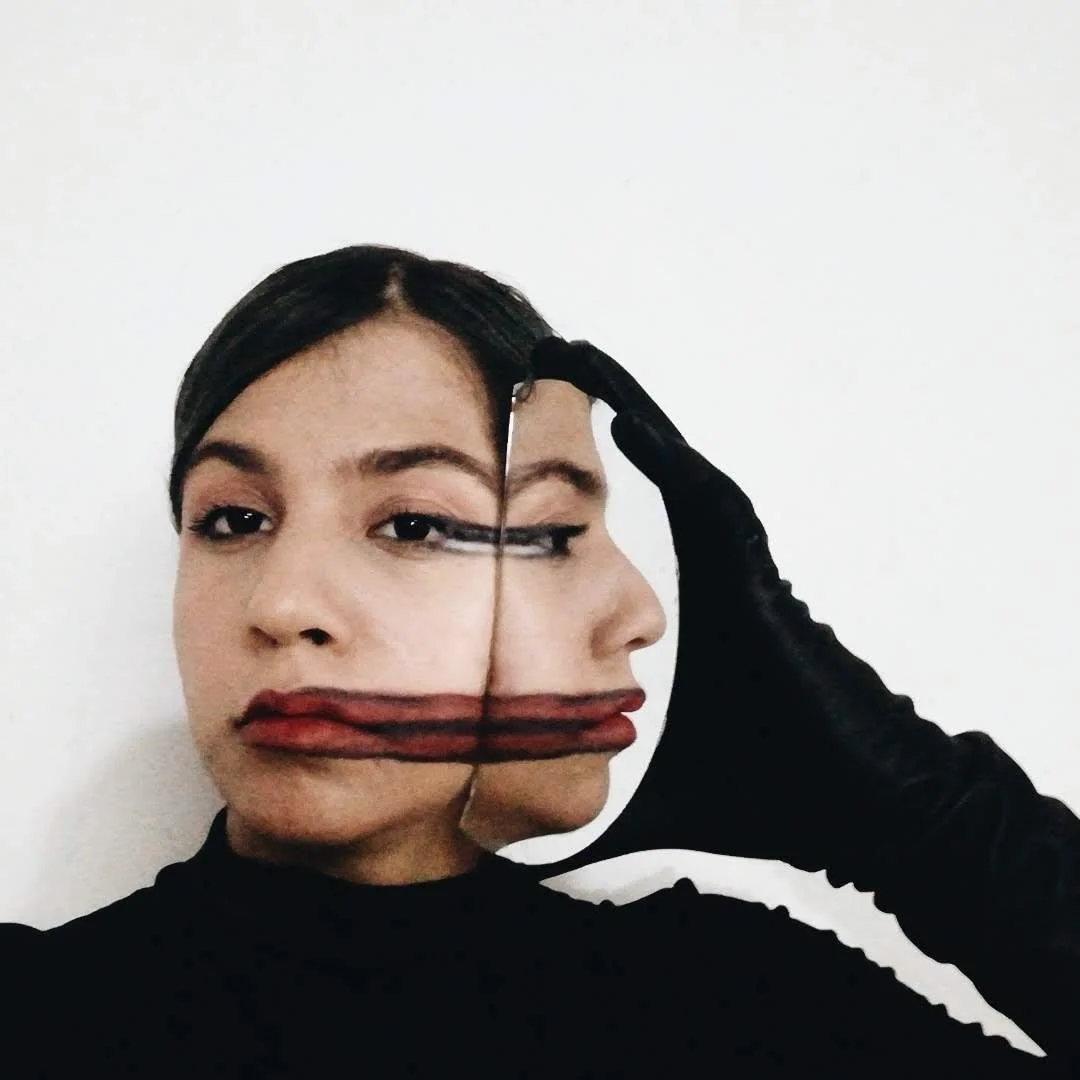
Shatoo’s self-application of special FX make-up in her early career. Photo/Jargy
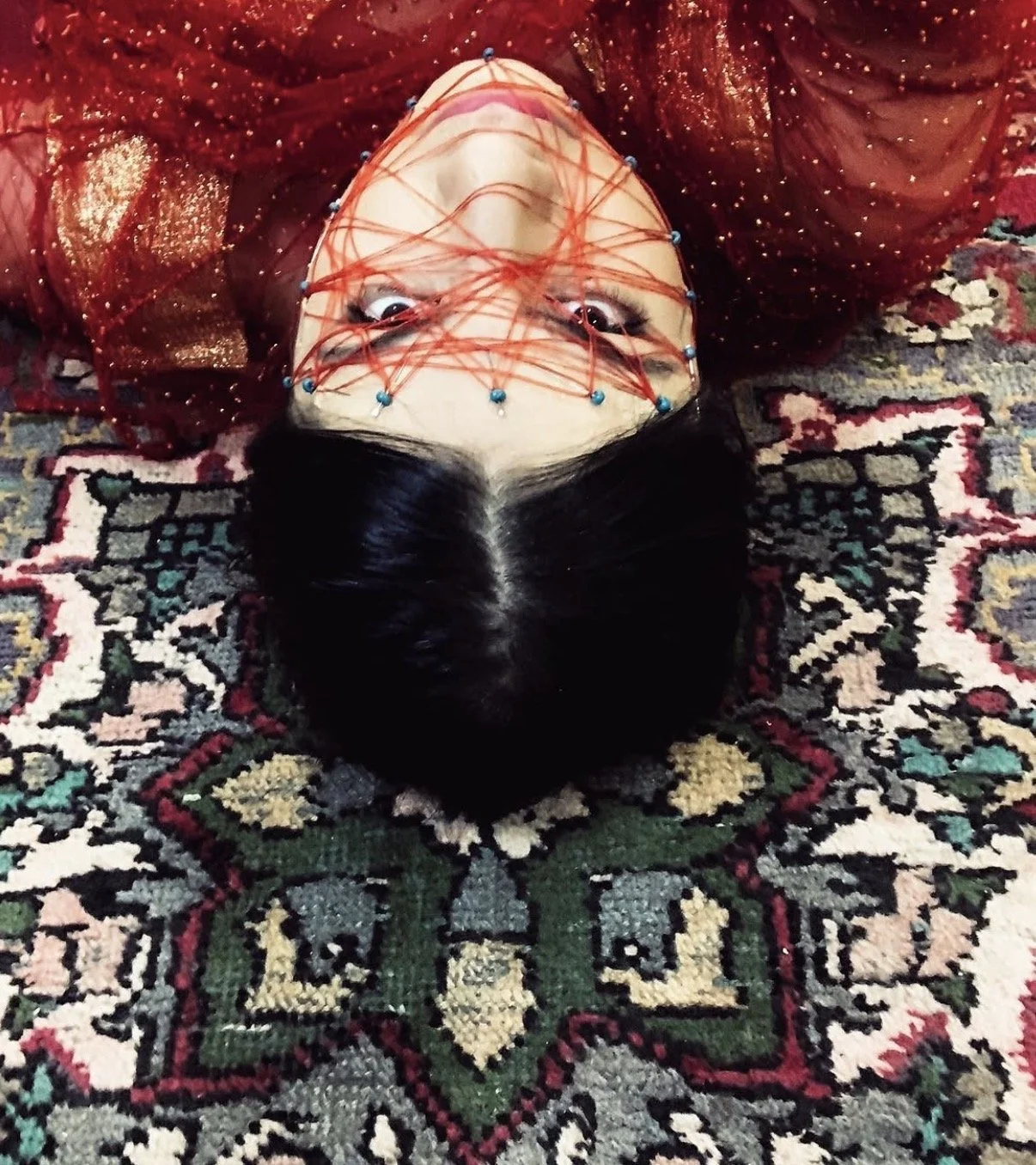
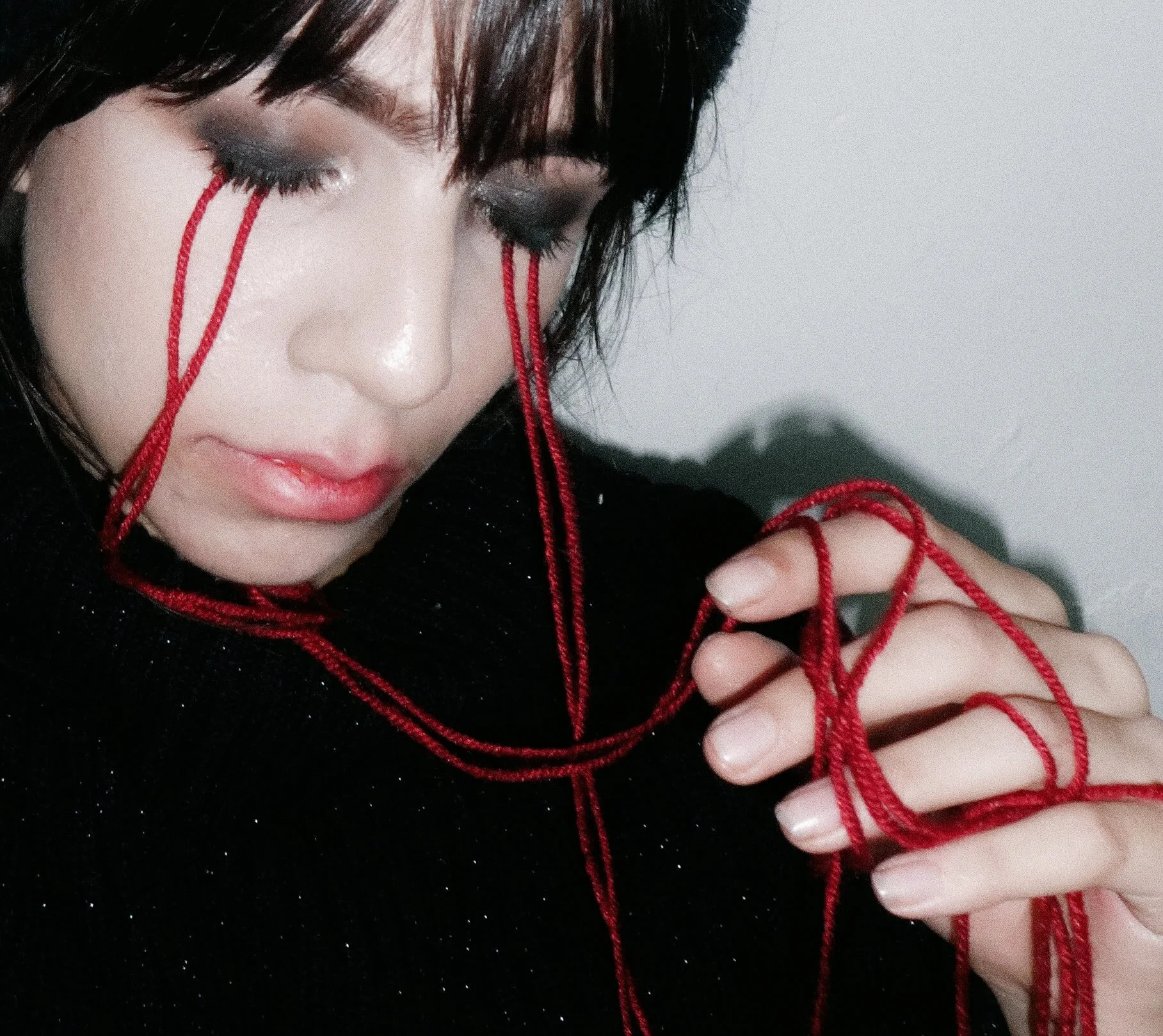
Self-experimenting with needles and threads. Photo/Jargy
Against Expectation
As Shatoo’s practice in special effects grew, she pursued a craft that few people around her fully understood - including her family, who struggled to make sense of it. She recalls her mother regularly finding her covered in paint and fake blood, joking that she must be practising witchcraft. Yet despite their confusion, her family never stopped her. As Shatoo puts it, they were supportive in not preventing her, even if they could not always understand what she was trying to build.
The hurdles didn’t stop at her front door. As a young Kurdish woman, Shatoo was up against cultural expectations and a field with almost no local support. Specialist materials were hard to come by, international orders were rare, and there were no established special effects artists in Kurdistan to learn from. When professional gigs finally arrived, film shoots often meant leaving before sunrise and returning long after midnight. At just eighteen, she would stumble home from gruelling days on set, only to face worried parents and heated arguments about her long hours outside. But Shatoo’s will never wavered. “I didn’t care,” she remembers. “Fight all you want, curse me all you want. I’m doing this whether you like it or not.” would be her response.
For Shatoo, these battles mirrored the larger expectations weighing on her. “Being a woman first and then being Kurdish, both of them kind of collide very beautifully in making disaster,” she says. Her gender dictated how freely she could move, work, and return home, while the lack of a local special effects industry meant she had to fight for every inch - first as an artist, then as a young Kurdish woman determined to chart her own course. In a place where special effects makeup was almost unheard of, Shatoo wasn’t just learning a trade; she was forging a brand new path.
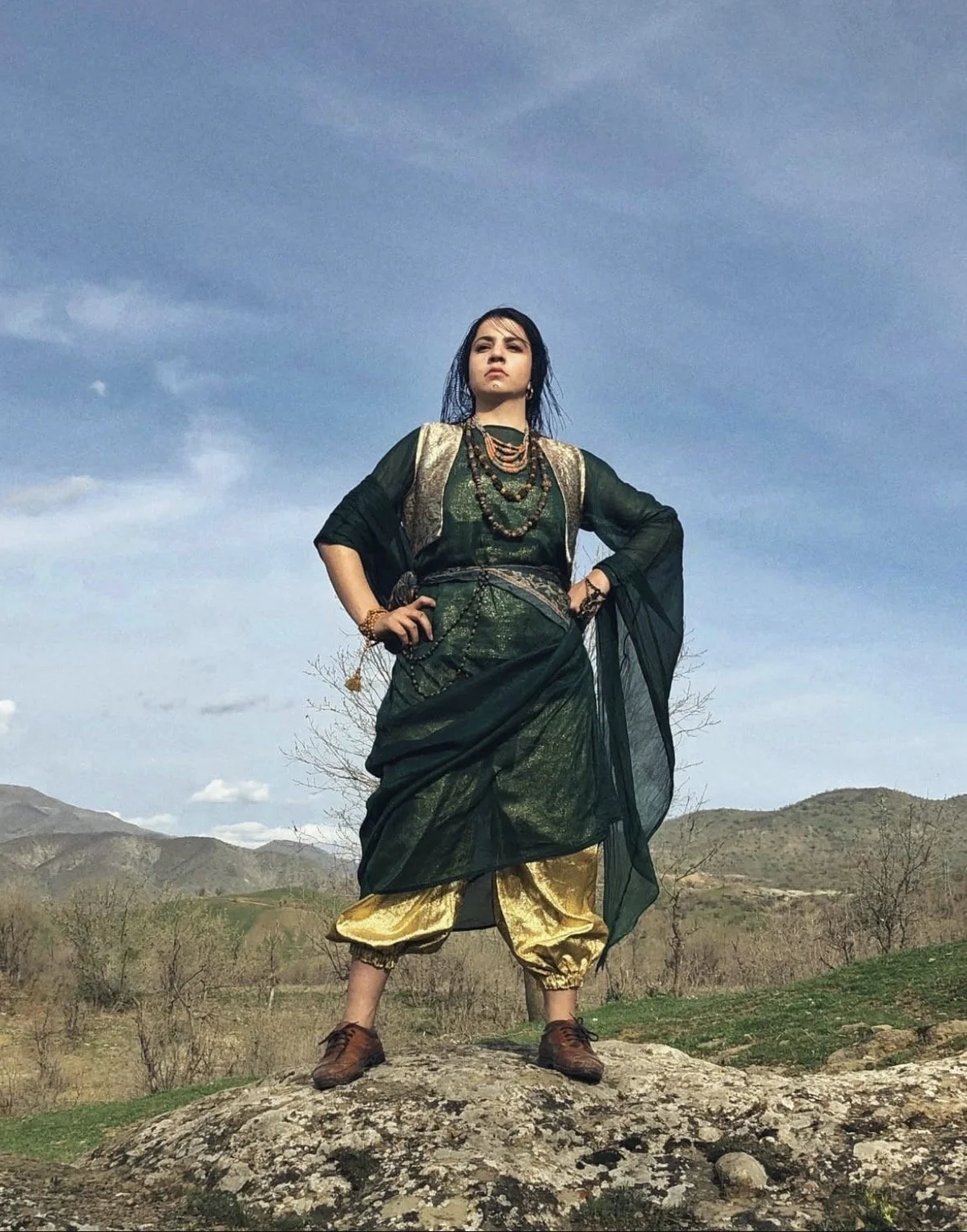
Shatoo in the motherland during Newroz. Photo/Shatoo Kamaran
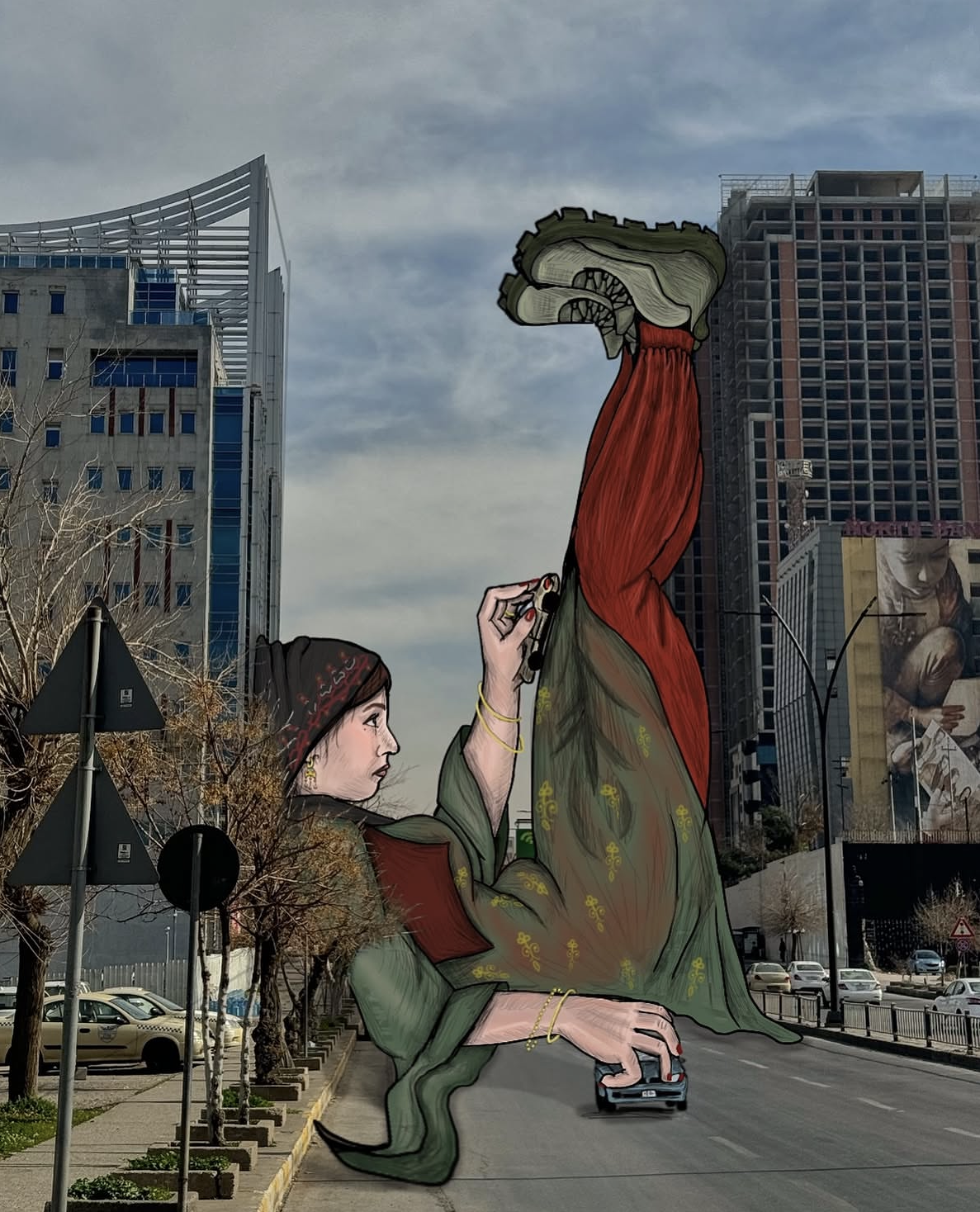
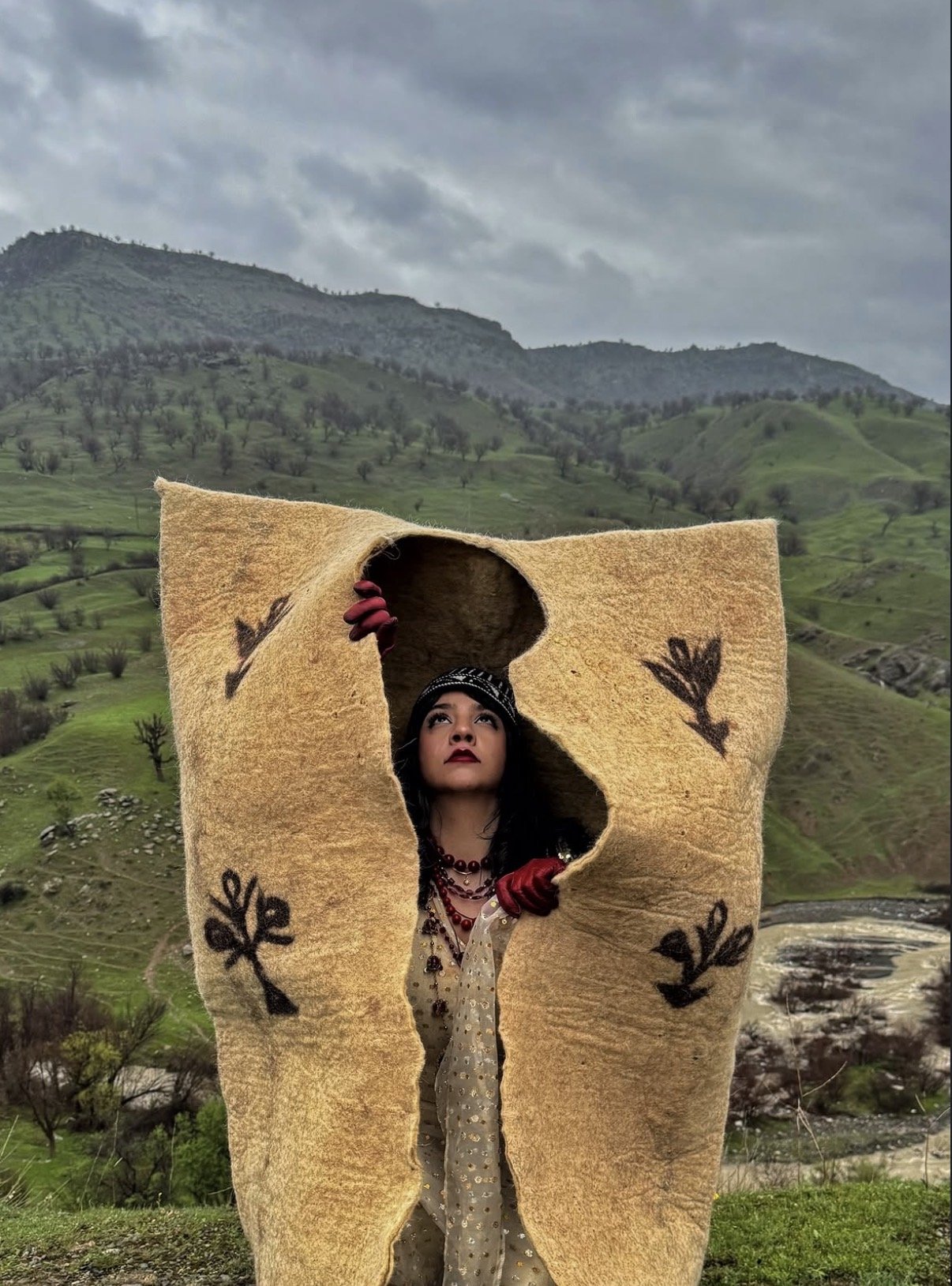
Titled ‘Tengî ’, a painted self-portrait layered over a photo of the city that raised Shatoo, holding both belonging and hardship. Artwork: Shatoo Kamaran
From Basement to Film Set
Those late-night basement experiments soon opened doors to Kurdistan’s film and advertising world. Thanks to an advertising agency, Shatoo stepped onto professional film sets for the first time at 18, soaking up behind-the-scenes knowledge and learning the rhythms of production. “It was the first time I ever saw backstage,” Shatoo recalls. While studying English Translation for Medicine, she juggled academic life with her growing film work, darting from university lectures to lively shooting locations. All those nights spent watching medical YouTube videos for prosthetic research made her field of study feel almost destined.
Southern Kurdistan’s cinema industry remains small, but in recent years it has started to blossom, with provinces like Duhok and Slemani even hosting their own film festivals. This cinematic growth marked a turning point for Shatoo. More than just a source of income, it brought Jargy into an industry she had only glimpsed through online videos and film backstages. Working on ads and film sets helped her forge connections with directors, producers, and fellow creatives, all while sharpening her technical skills in real-world settings. Though special effects was still a niche, these early projects convinced her that her passion could become something lasting.
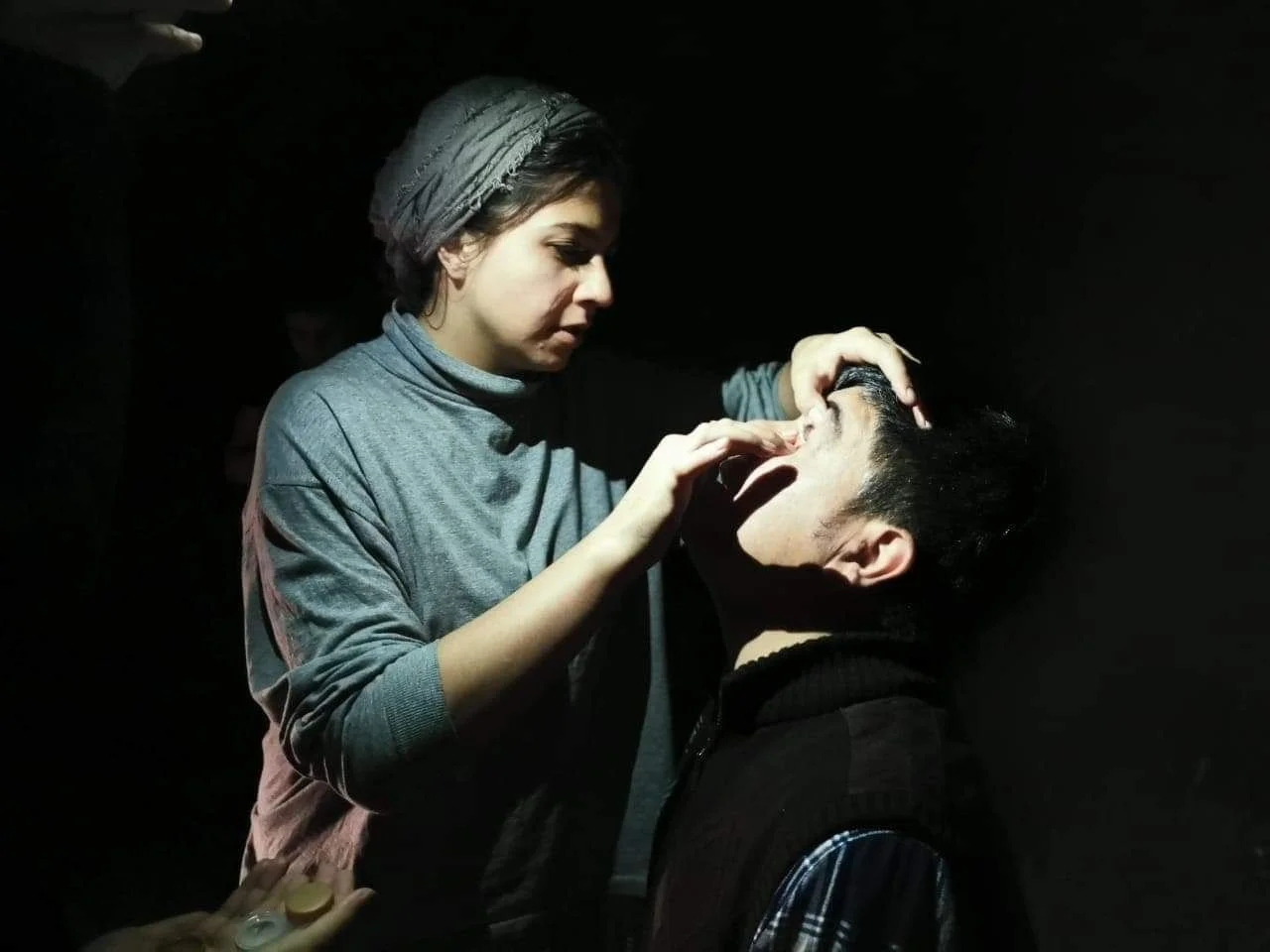
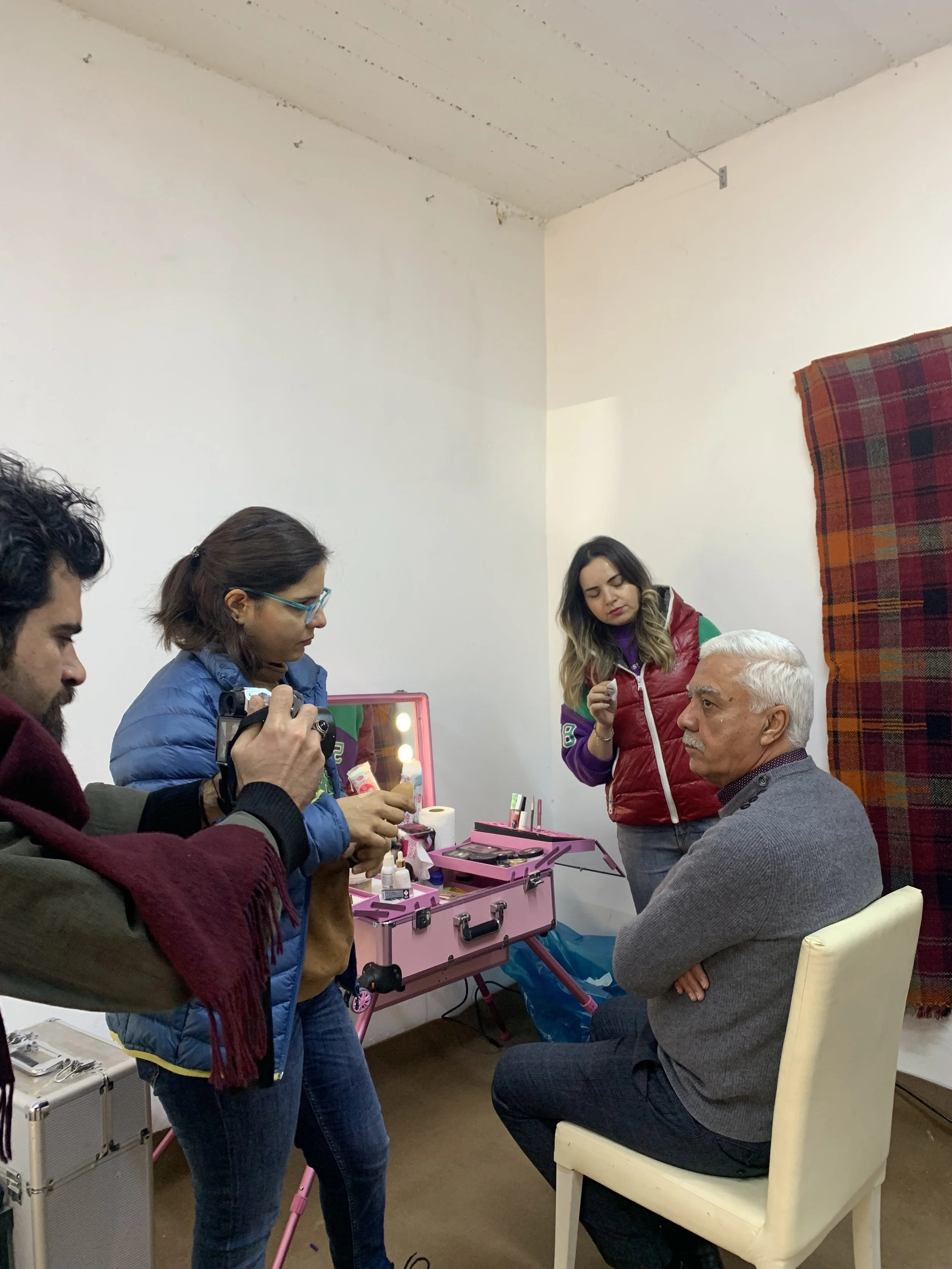
Shatoo Kamaran applying makeup on set, fully immersed in her craft. Photo/Jargy
Building Jargy Studio
After gaining experience on film and advertising sets, Shatoo set her sights on something Kurdistan had never seen: a dedicated special effects studio. Even as a teenager, she had dreamed of this. "I was thinking, I'm going to have a special effects studio, whether I like it or not," she remembers. Graduating in 2021, she joined the 51 Labs business incubator, standing out among hundreds of applicants from Iraq and Southern Kurdistan to win a grant. The experience shifted her perspective, pushing her to balance creative dreams with the realities of running a business. With her new funding, she could finally buy professional special effects materials: “I finally had some money to order the actual materials for special effects.” By 2021, Shatoo had laid the groundwork for Jargy Studio, Kurdistan’s first special effects studio and Iraq’s first female-owned studio of its kind.
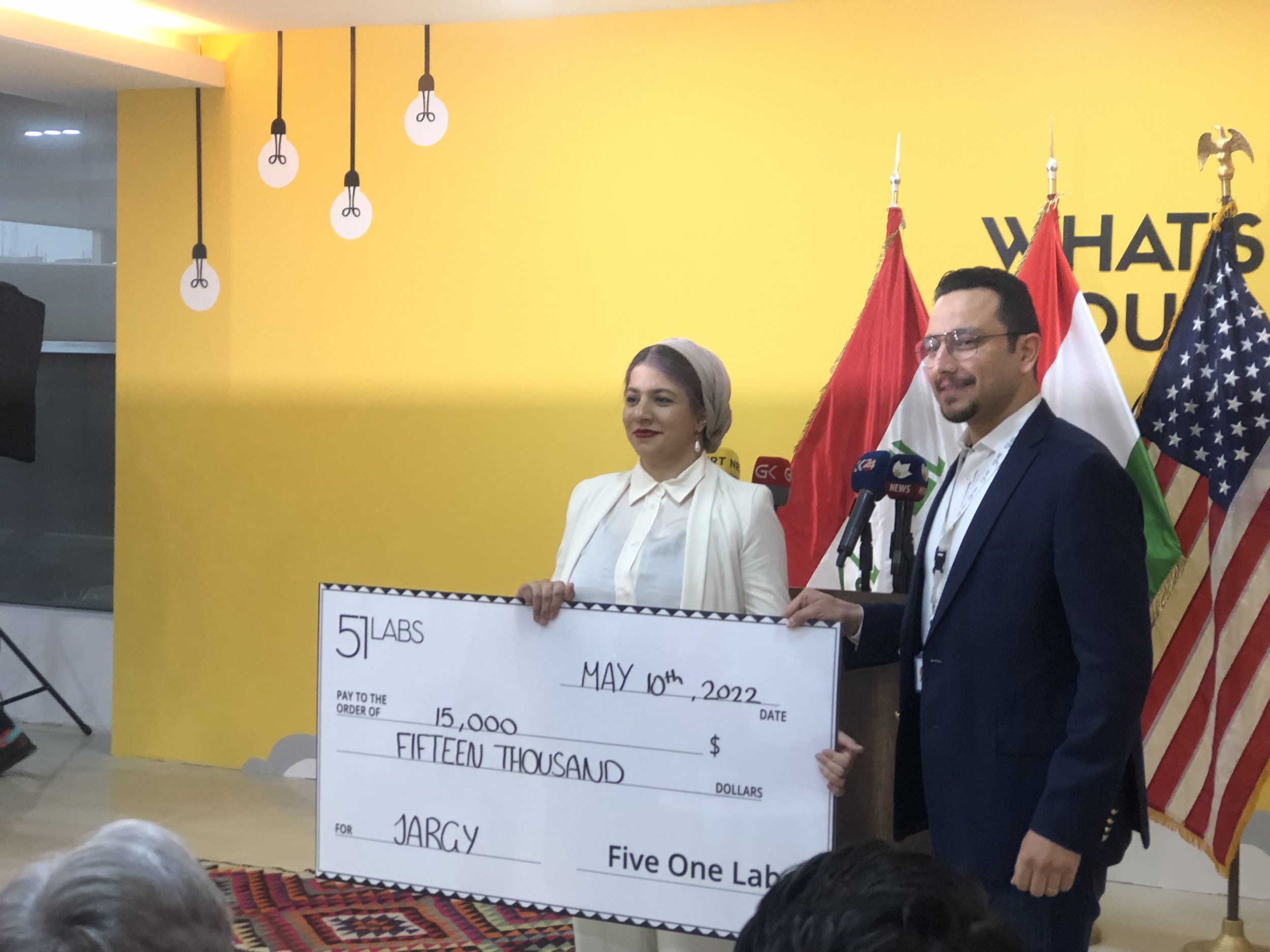
Shatoo receiving her 51 Labs business incubator grant cheque in 2021. Photo/Shatoo Kamaran
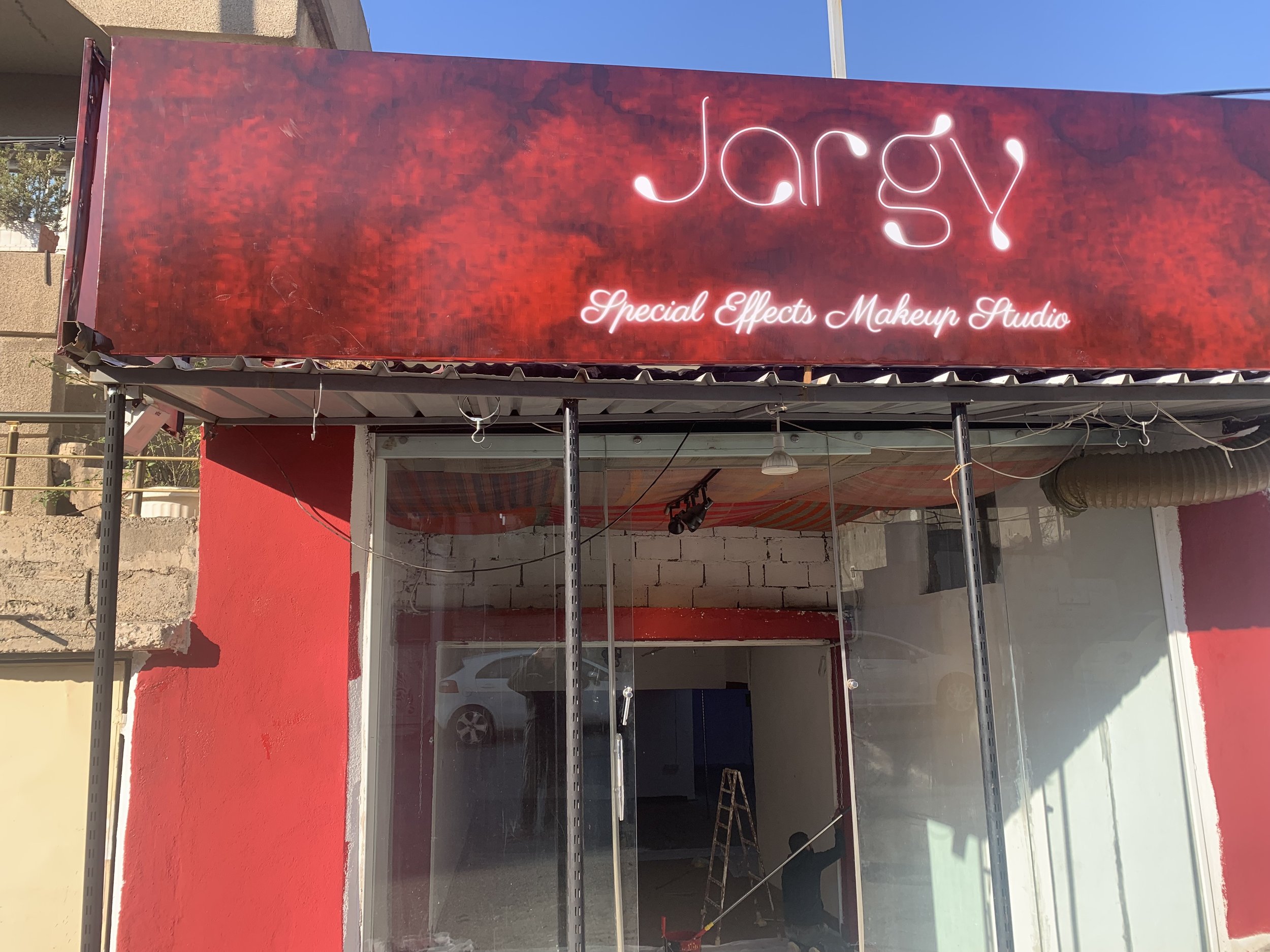
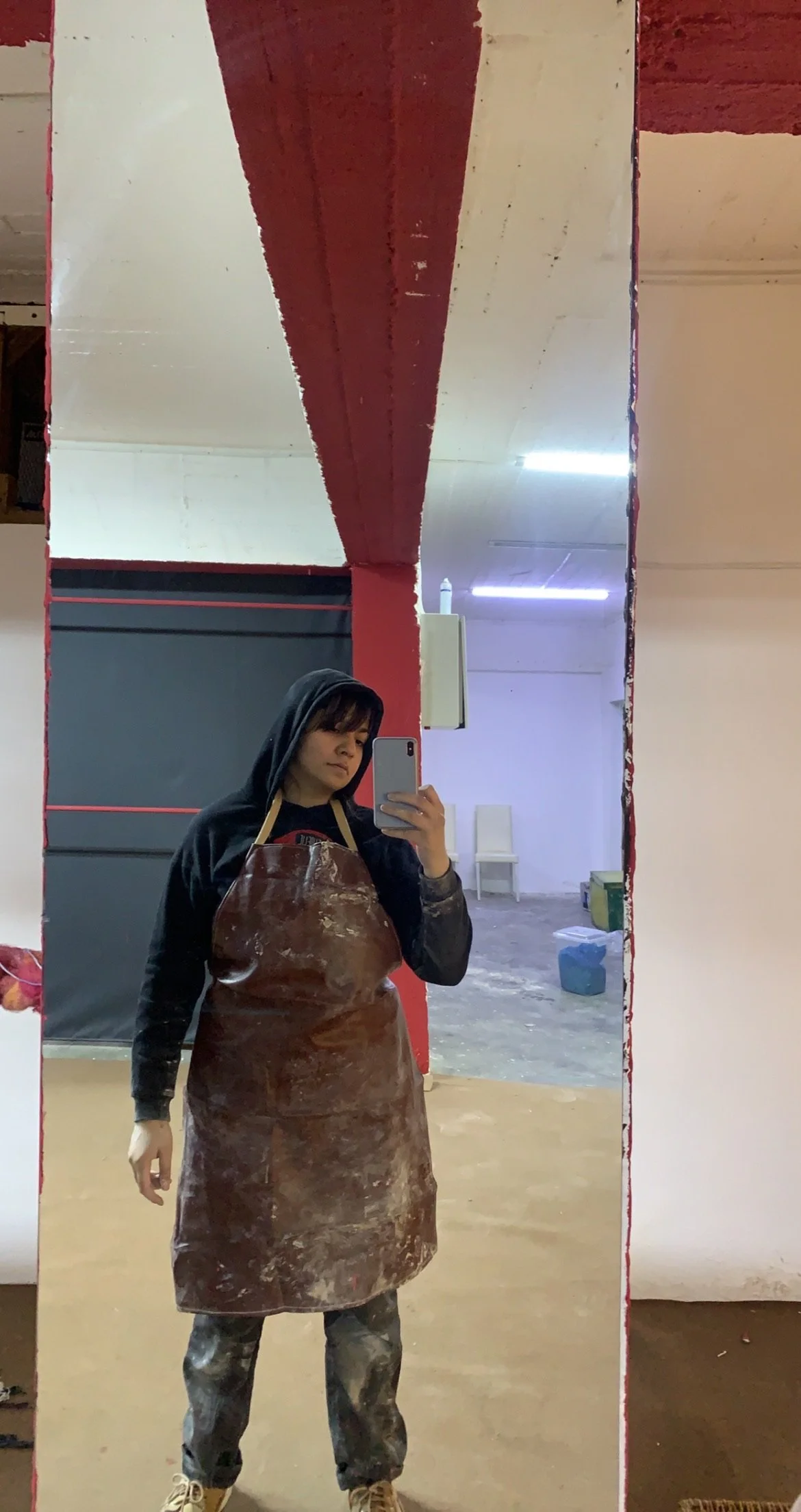
Construction in progress at the Jargy studio in Slemani, Kurdistan.. Photo/Shatoo Kamaran
More Than a Face
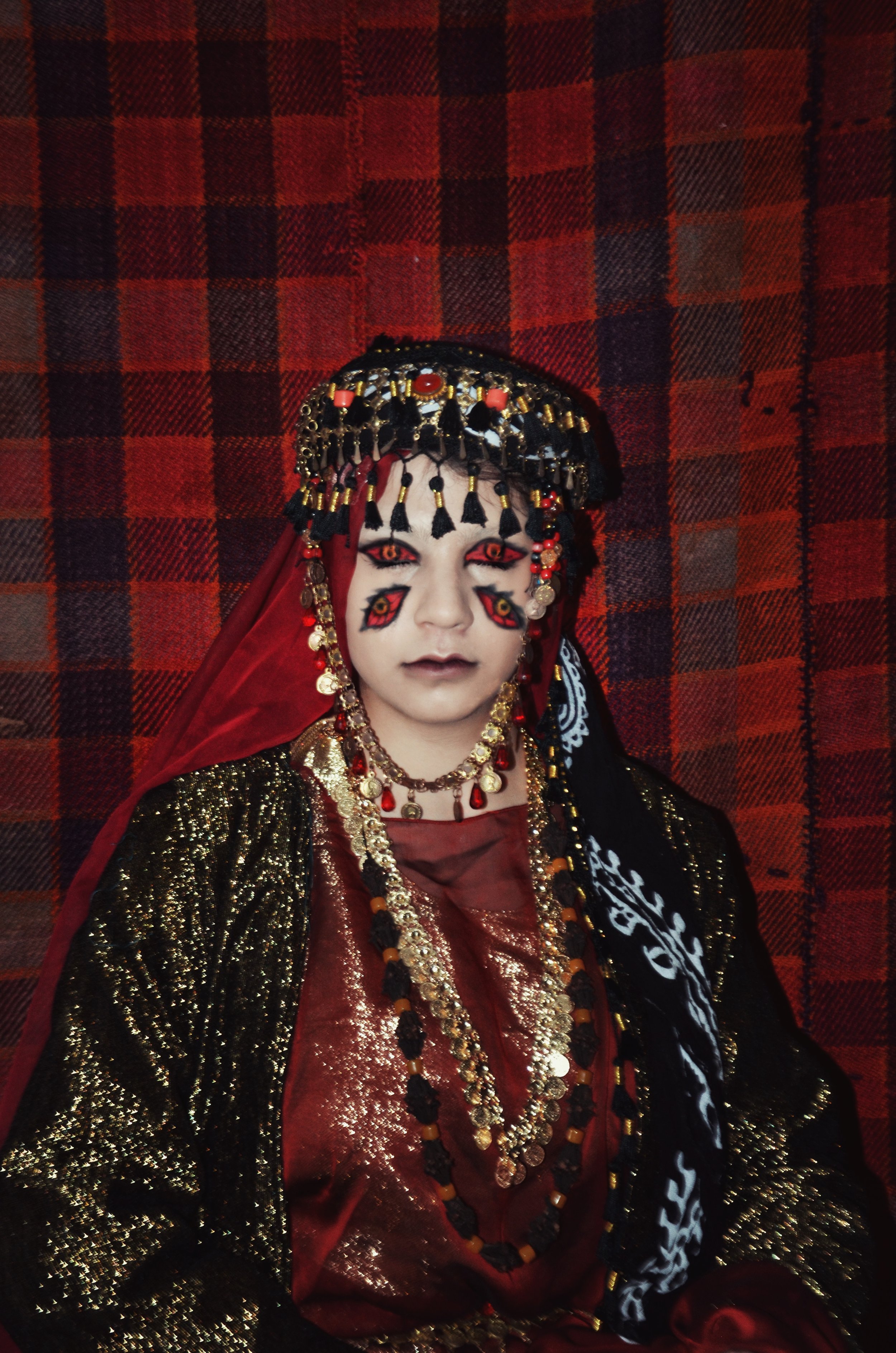
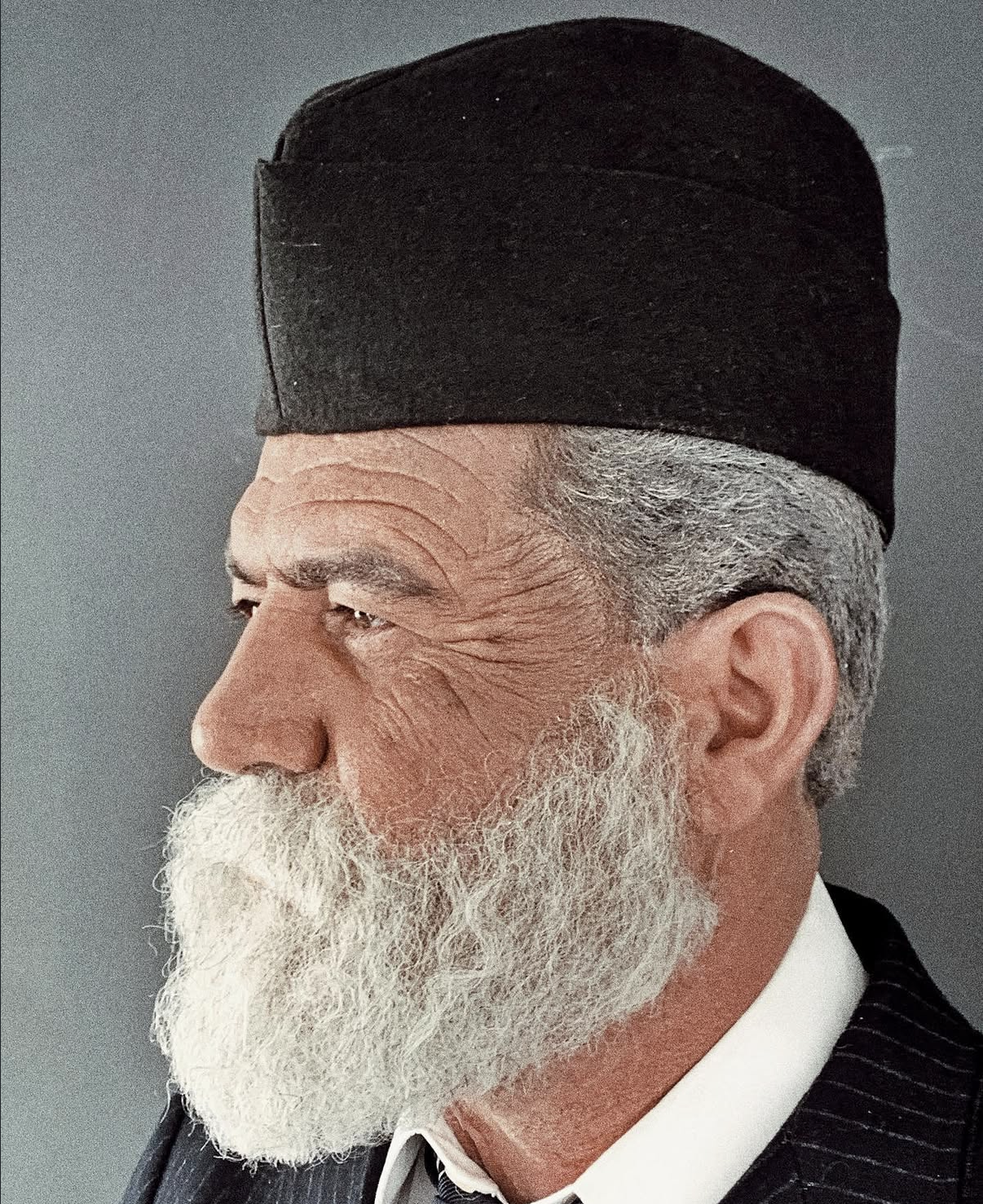
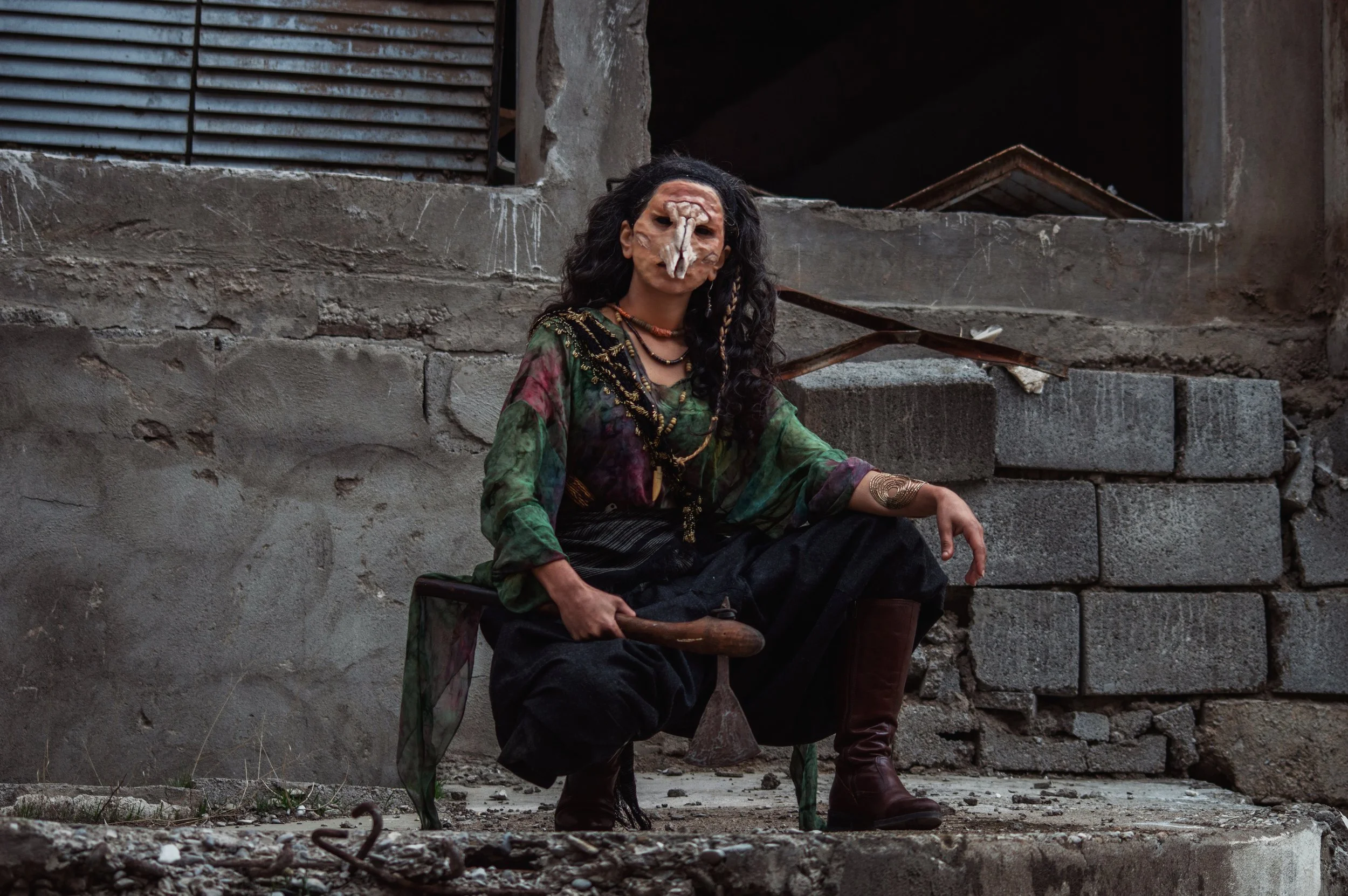
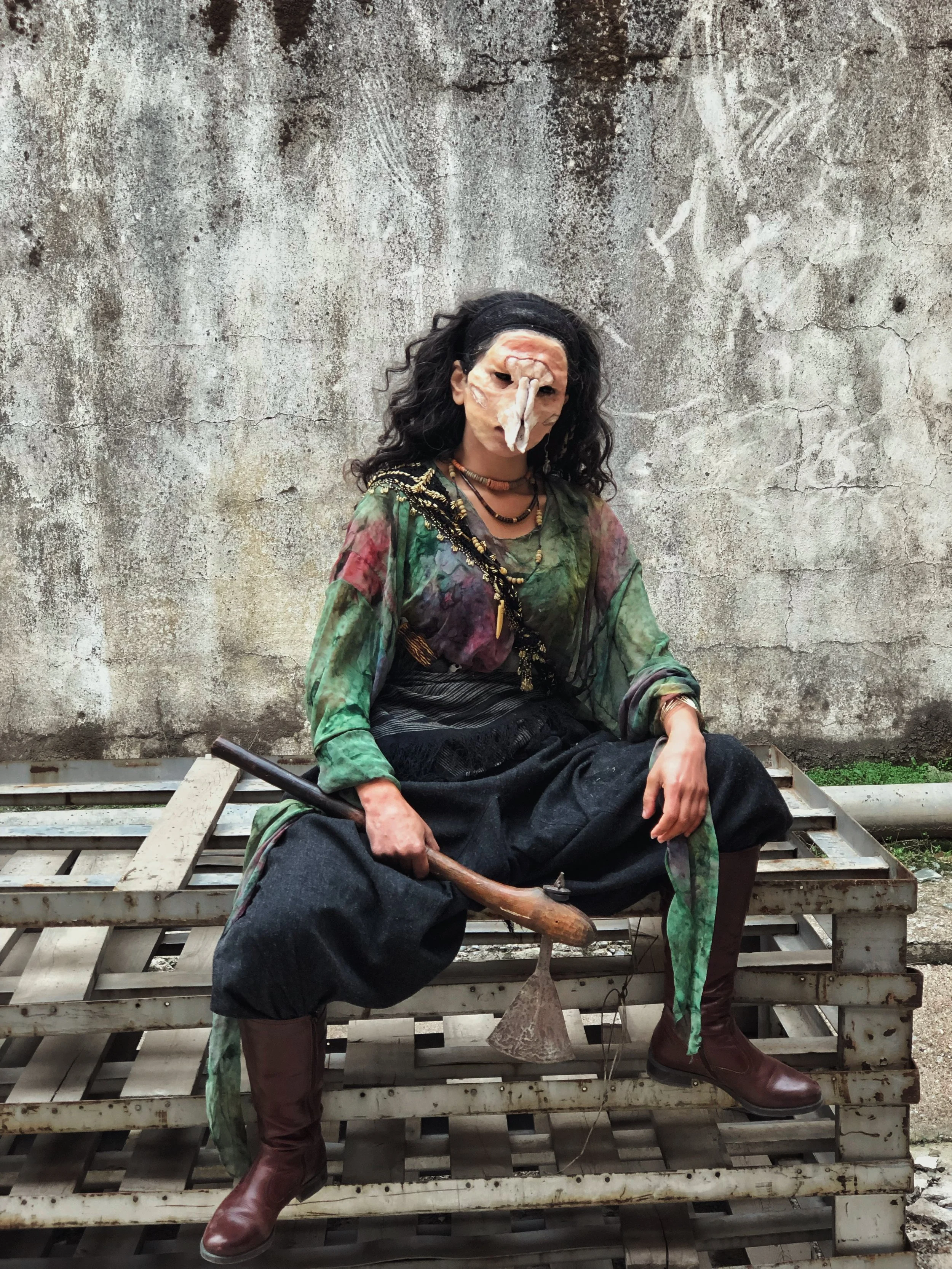
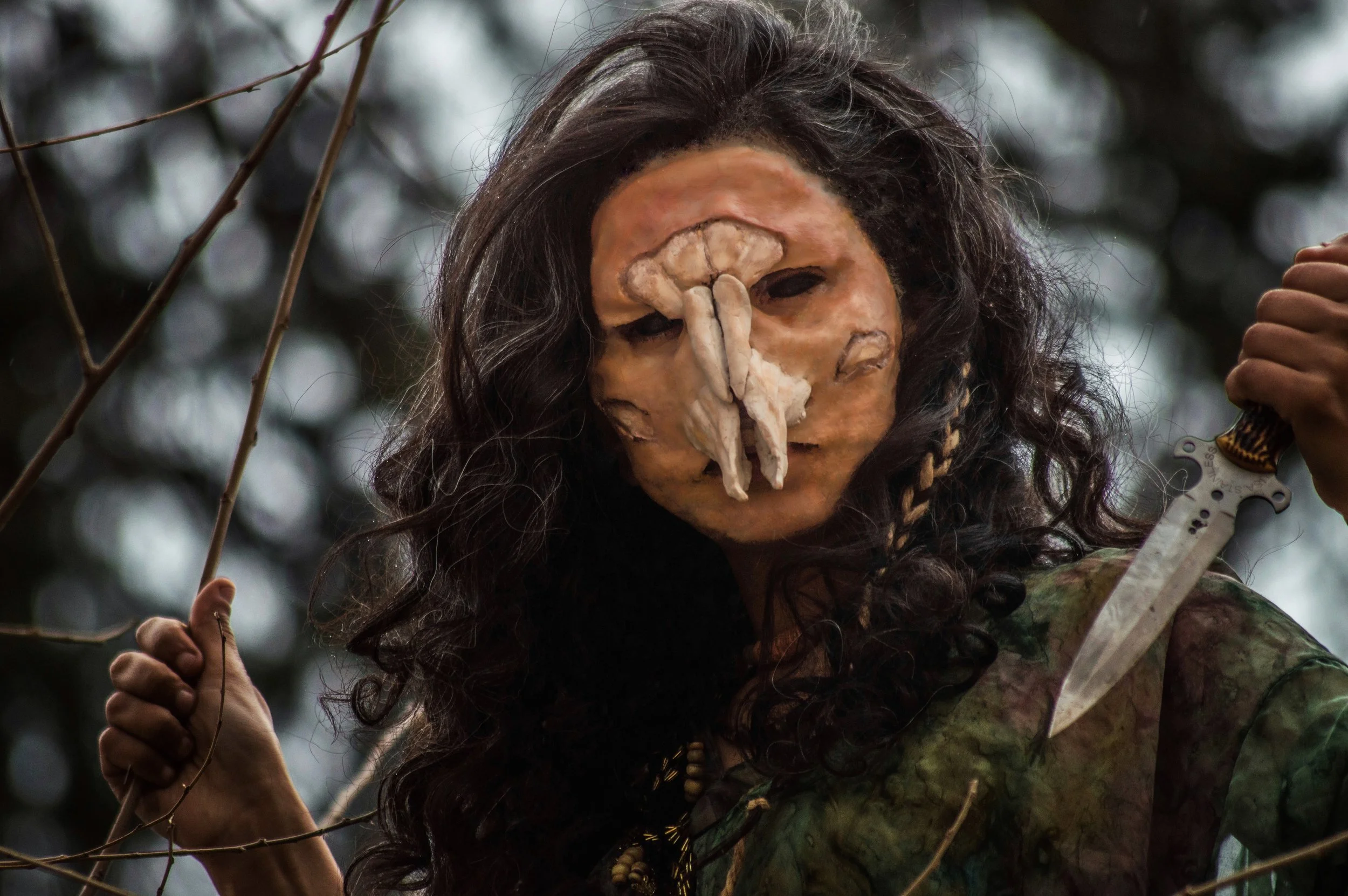
Every character Shatoo creates, whether rooted in horror, fantasy, history, or the supernatural, is given a name, a story, and a universe of its own. Her first character, Shilan, established an approach central to her practice: the makeup is never conceived in isolation, but as part of a fully imagined identity and world. One of Shatoo’s first defining creations was Khanzad - a mystical Kurdish female fighter whose name was inspired by the legendary Kurdish warrior-queen and ruler of the Soran Emirate, believed to have governed in the late sixteenth century. Khanzad brought that vision into the public sphere, drawing the kind of attention and astonishment Shatoo had hoped for when shared through social media. Until then, she had largely worked alone, applying makeup to herself, constructing her own backdrops, and photographing the results. With Khanzad, she worked with specialist materials, a model, and a photographer for the first time. “It was the first professional project of Jargy Studio,” she says. “I’m still very proud of it.” The character marked the moment her self-taught experiments evolved into a complete visual world, realised without compromising the scope or quality of her ideas. Shatoo used illusion make-up to reshape her model’s face through shadow, contour and painted detail, giving the character a striking, otherworldly presence. In addition to makeup and prosthetics, Shatoo crafts her own wigs, beards, and costumes-a testament to her self-taught versatility. The quality of these handmade elements shines through in every project, showcasing the breadth of her artistry. More than just a project, Khanzad represented the transition from years of self-teaching and experimentation to a fully realised creative practice, demonstrating that the vision she had been building since her teenage years could exist on a much larger scale and cementing Shatoo’s purpose within Kurdish cinema.
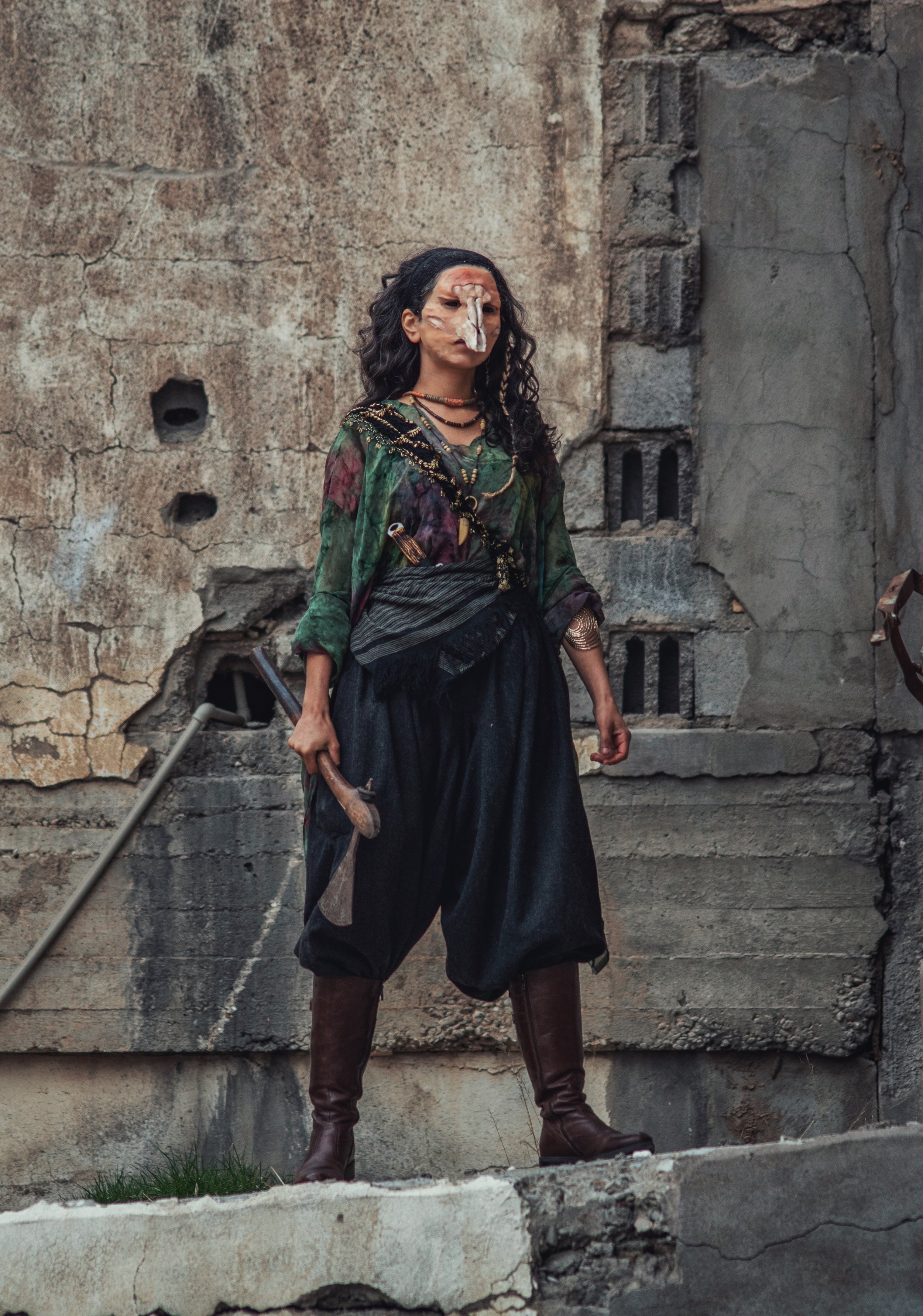
Khanzad, a Kurdish warrior created by Jargy. Photo/Jargy
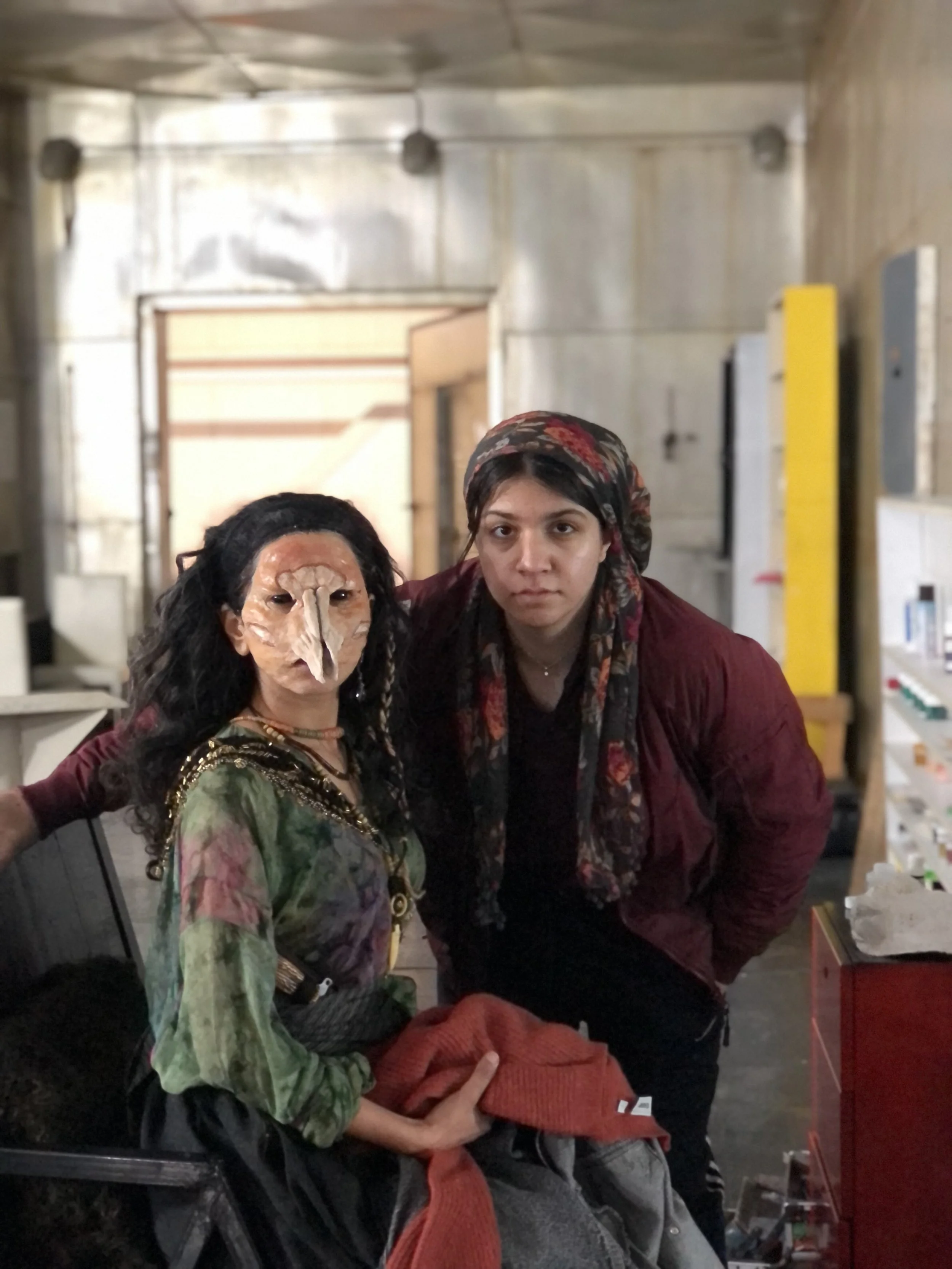
Shatoo and her model, Tara (Khanzad), photographed together. Photo/Jargy
Recreating Halabja
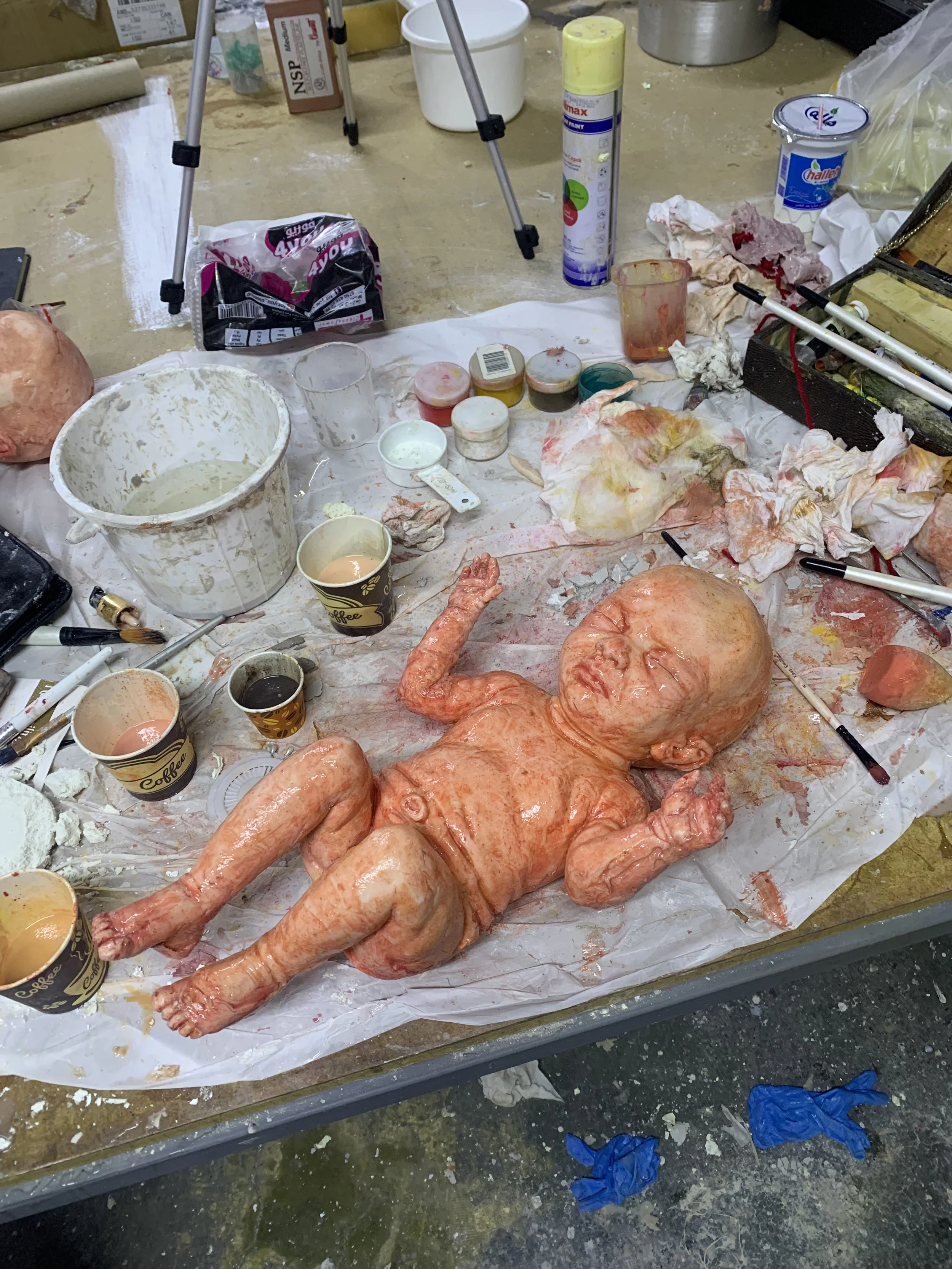
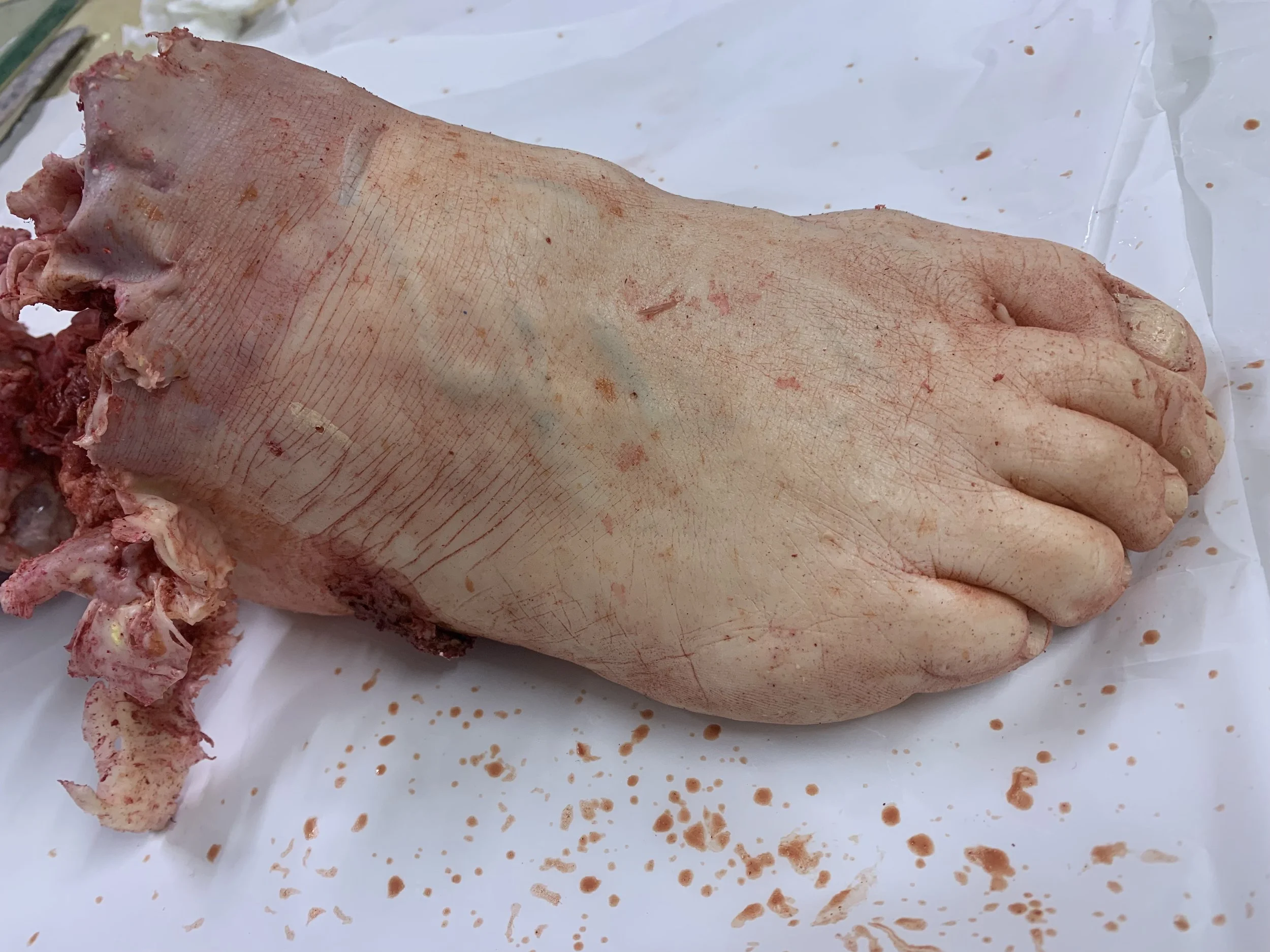
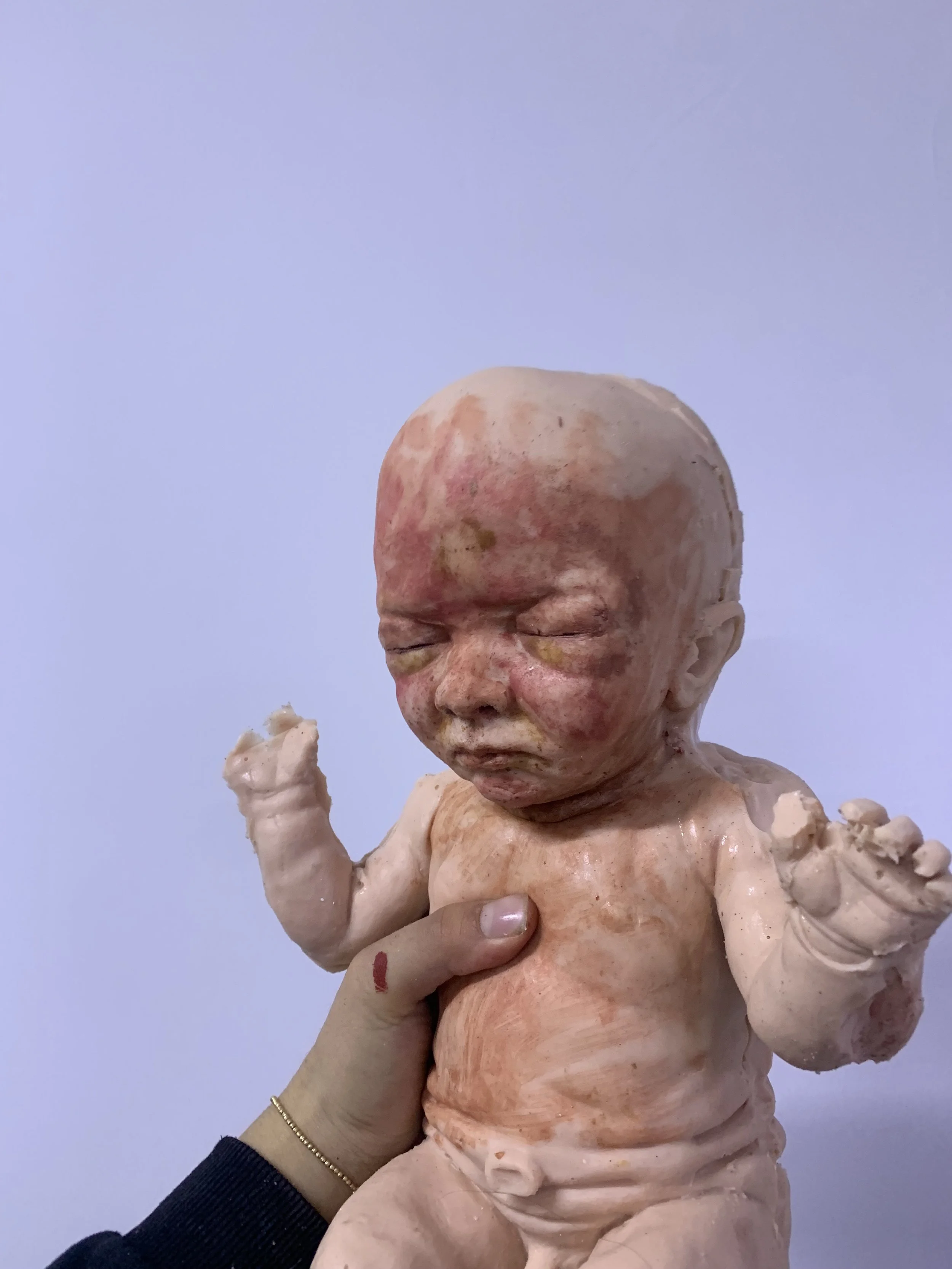
The project, which turned Jargy Studio from a new creative venture into a recognised name among industry professionals, came through a film centred on the 1988 chemical attack on Halabja. Shatoo joined the production as head makeup artist, leading a small team and creating prosthetics for a story rooted in one of the most devastating chapters of Kurdish history. Among the pieces she produced were a severed leg and a life-sized foetus, which she spent weeks developing during pre-production. The foetus appeared in a scene based on the true story of a woman who gave birth to twins during the attack before losing her life. Both children survived, and one later appeared in the film portraying his own father.
For Shatoo, the production represented a dramatic step forward. She had moved from creating work alone in her basement to managing assistants and overseeing special effects across a large-scale film set. The foetus in particular attracted widespread attention and became one of the works most closely associated with her practice. While Khanzad had marked Jargy Studio’s professional beginning, working on a film production proved that no set was too challenging for Shatoo, who juggled months of preparation and a gruelling forty-five-day shoot, all while holding down a full-time job. On set, she sometimes had to prepare up to thirty performers in just a few hours. Despite the exhaustion, she refused to abandon the work she had poured herself into.
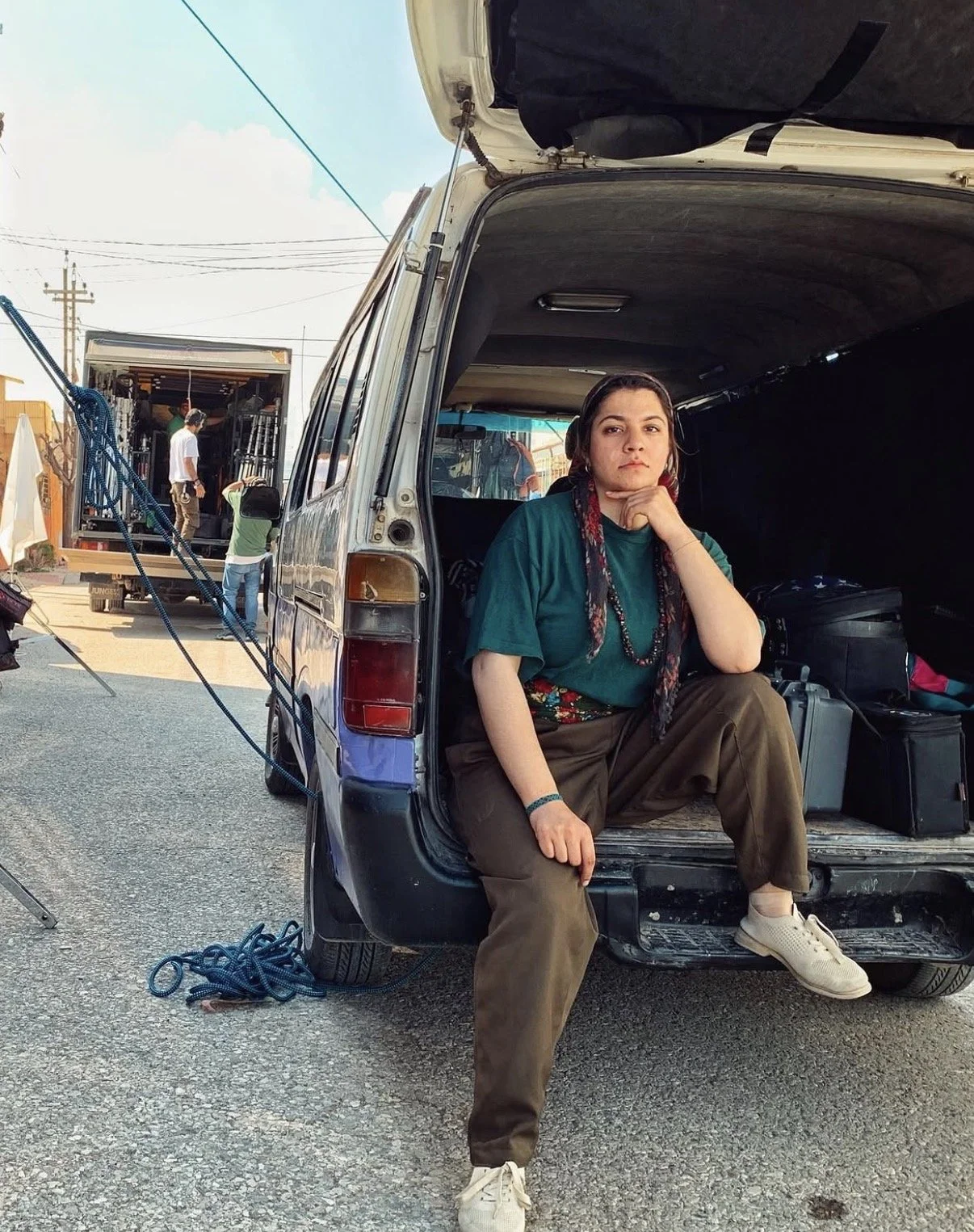
Shatoo taking a break between transformations on set. Photo/Shatoo Kamaran
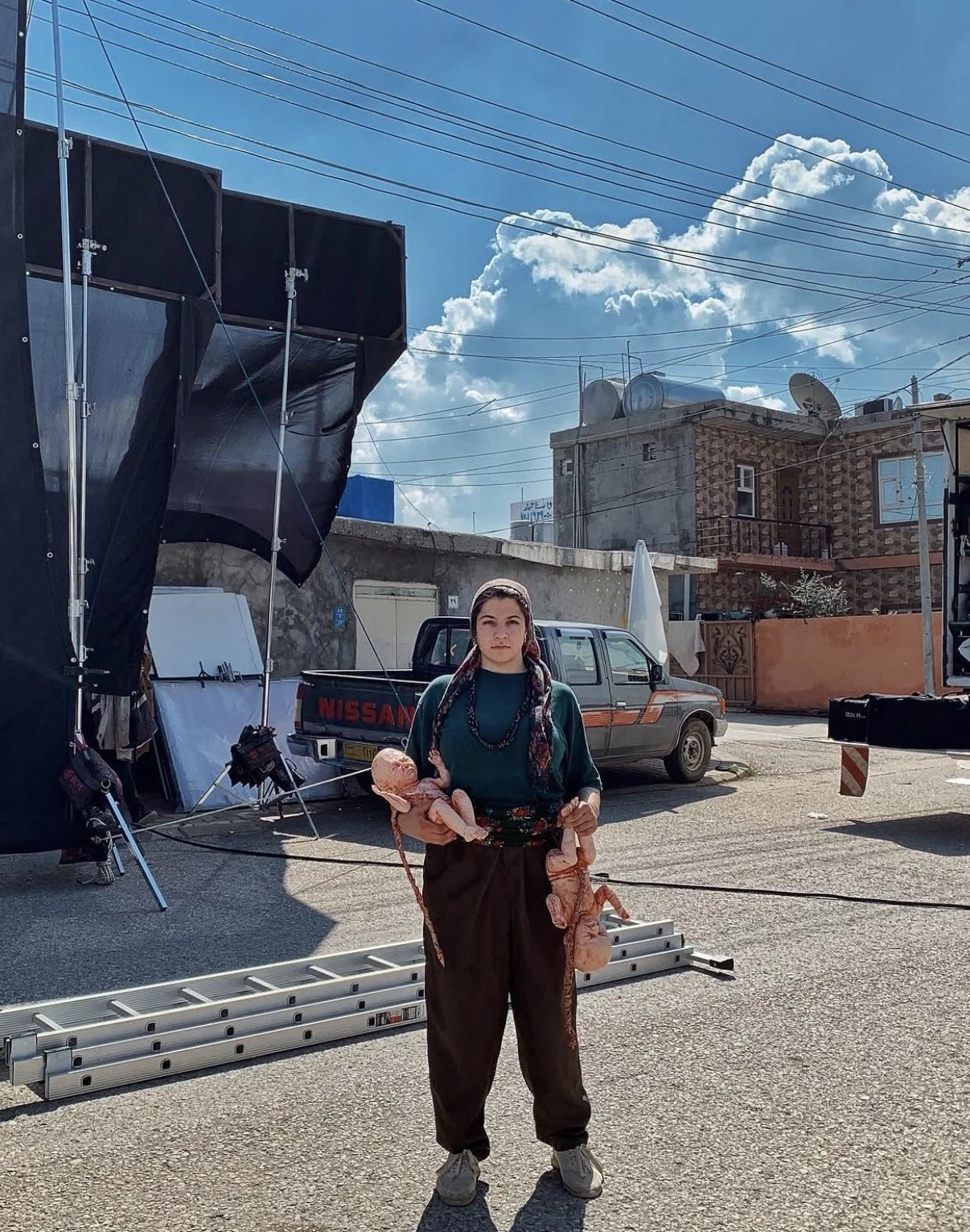
Holding both baby props that she made for the film, Halabja. Photo/Shatoo Kamaran
A Kurdish Woman in a Male-Dominated Industry
Although Shatoo was helping establish a special effects practice within Kurdish cinema, emerging as a young Kurdish woman in an industry long reliant on male artists brought in from neighbouring Iran meant that her abilities were repeatedly questioned. Of the four states across which Kurdistan is divided, Iran has the region’s most established cinema industry, allowing Iranian professionals, particularly men, to dominate specialist roles that emerging Kurdish artists like Shatoo were still fighting to enter. Earlier in her career, Iranian makeup artists working on local productions would not allow her into the room while they prepared actors, denying her even the opportunity to observe. She came to understand this gatekeeping as more than personal exclusion: imported specialists had built a profitable position within Kurdistan’s film industry. At the same time, the rise of a skilled local artist disrupted a system that relied on the exclusivity of imported knowledge and services. Their continued presence is not merely about artists protecting their jobs; it points to a deeper creative gap in Kurdistan, one where local talent is denied the pathways and opportunities needed for real career progression.
Even though Shatoo was the head makeup artist, had spent months in pre-production, and created the film’s key prosthetics, she was told an Iranian male makeup artist would come to observe and assist. Instead, he showed up with a full team, and Shatoo was told to leave while he took over her department. “You said they were just going to come and take a look around,” she remembers telling the production team. But after his methods led to major delays, Shatoo was called back to finish the film, a decision she made without hesitation, always letting her passion outweigh her pride.
For Shatoo, this episode laid bare the double standards faced by a Kurdish woman breaking into a male-dominated, imported network. She had to work faster, endure more pressure, and constantly prove herself, while the imported male artist was handed authority without question. Returning to the set wasn’t about accepting her treatment; it was about refusing to abandon the work she had poured months into. “I was not ready to let it go by any means,” she says. “I was like, I’m going to have my name on that screen.” She finished the film, but made it clear: she would never work with that team again. Despite the exhaustion, she refused to abandon the work she had poured herself into.
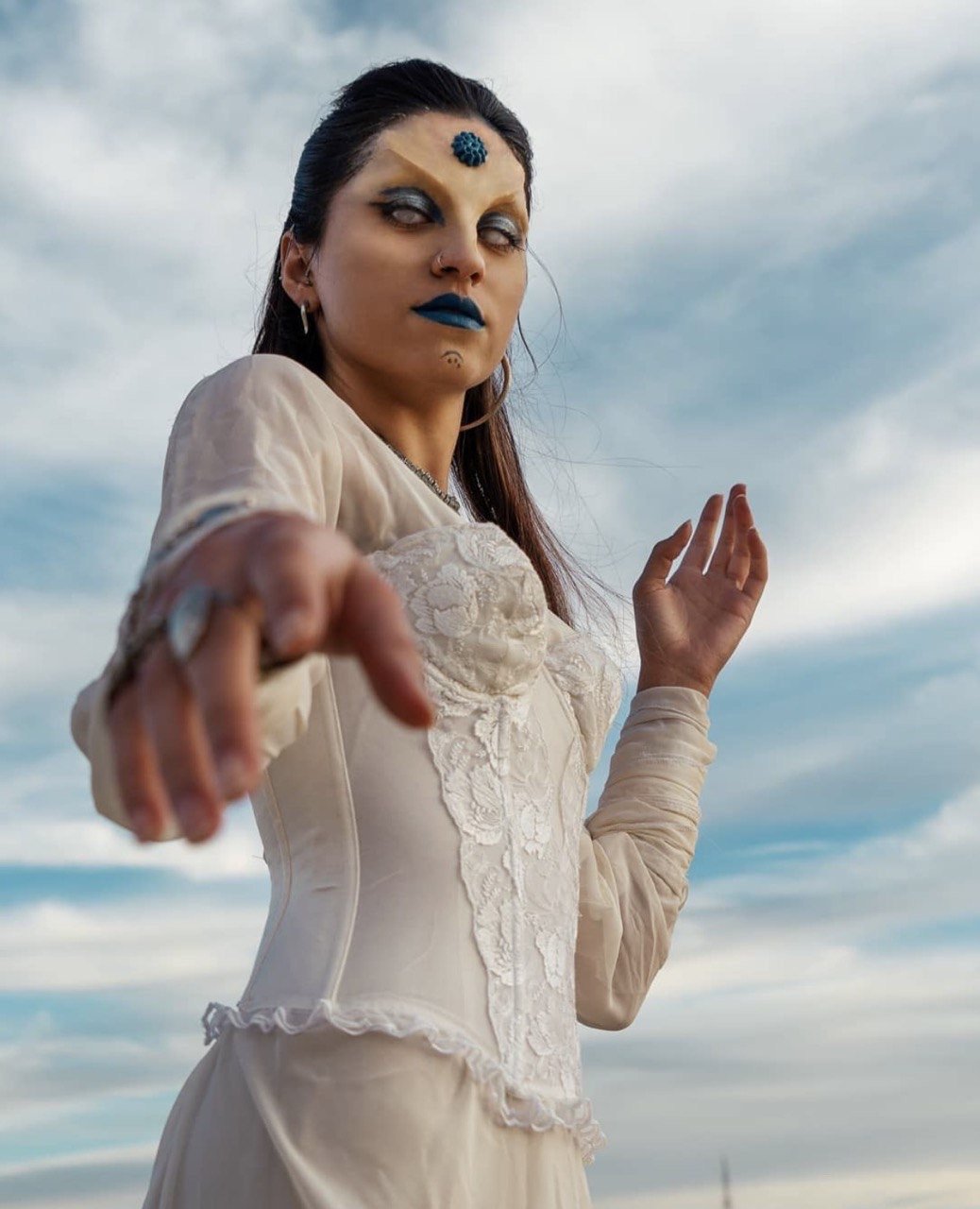
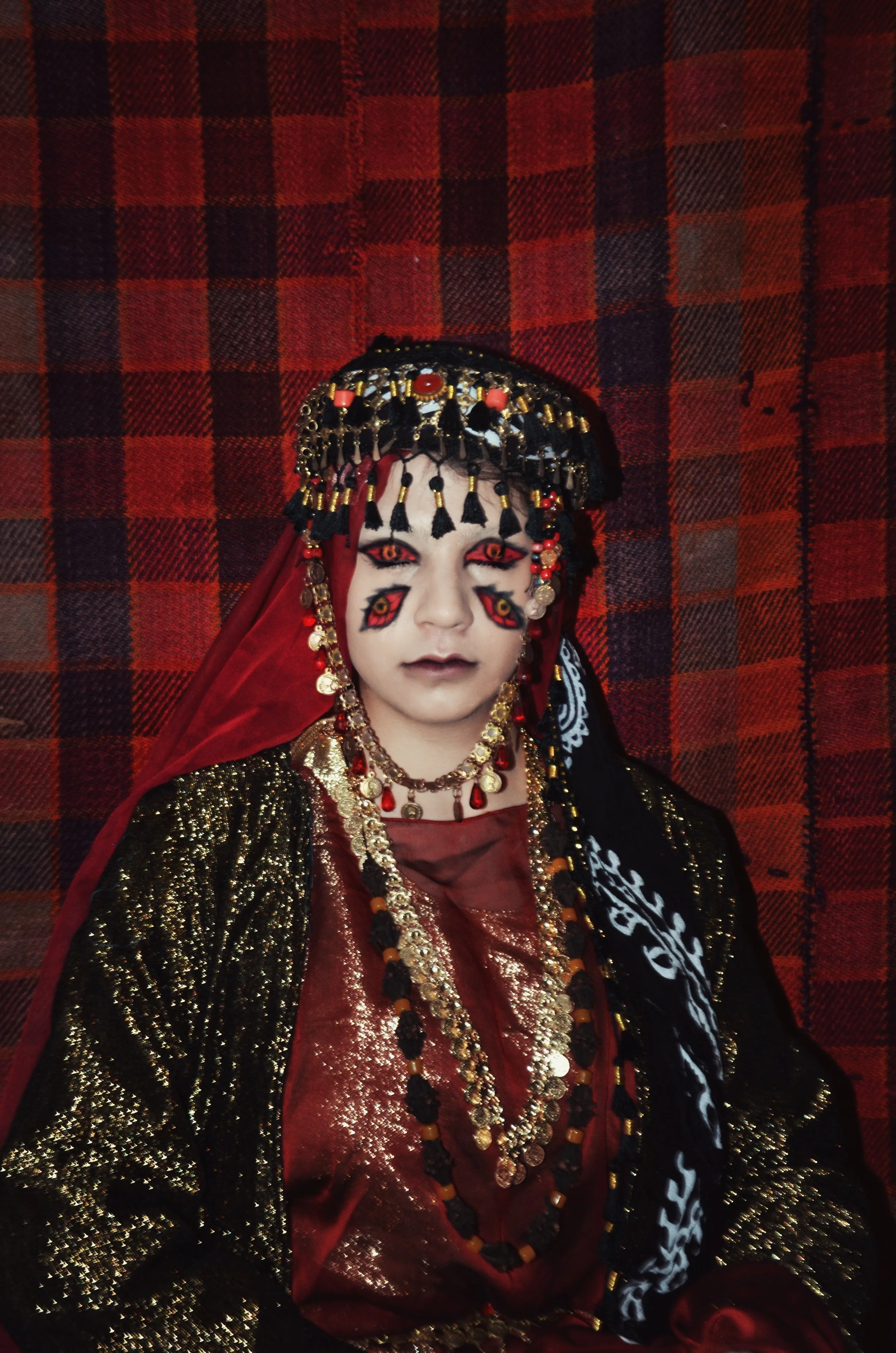
‘Shilana’ is a whimsical character who lives among the clouds and feasts on the moon and stars with Kurdish bean stew. Photo/Jargy
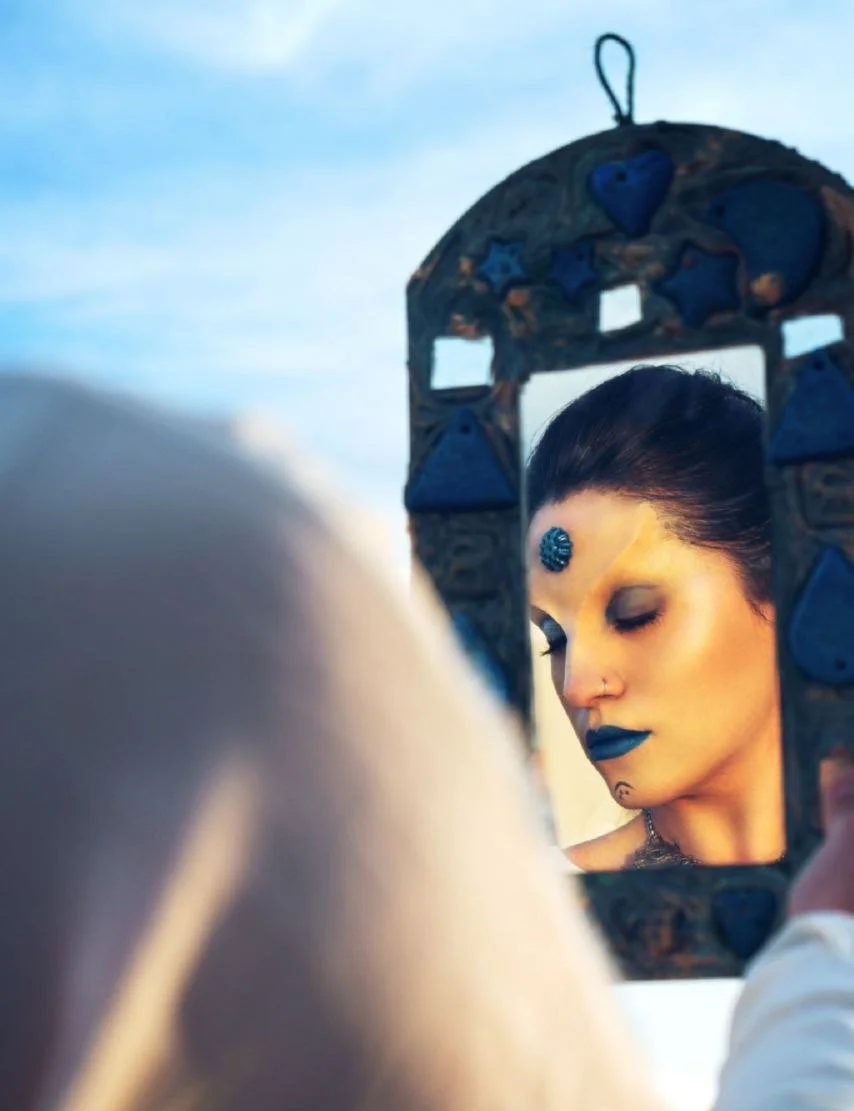
‘Shilana’ given distinct Kurdish features such as facial deq tattoos and a Kurdish blue ‘Kuzhêkaî stone to ward off evil spirits. Photo/Jargy
Building What She Never Had
Instead of repeating the gatekeeping she once faced on sets, Shatoo has turned Jargy Studio into a place where new artists could learn from her. With her first assigned assistant, she asked to spend voluntary time in the studio to watch and learn from Shatoo how prosthetics were being made for a film they were working on, even though she was only required on set. Shatoo welcomed her with open arms. “You want to help, you want to learn, you’re more than welcome,” she recalls. This was a conscious break from the exclusion she had endured earlier, when established artists wouldn’t even let her in the room.
Shatoo’s open-door approach was inspired by the women who supported her early on. One makeup artist named Soza taught her the basics of working on set, from essential tools to staying alert behind the monitors. Another influence was Lillian, a mother of two who started in an agency kitchen while studying cinema and eventually became a director. Watching Lillian juggle film, work, and family left a lasting impression; Shatoo calls her one of the most inspiring women she’s met. These examples convinced her that talent often exists long before it’s recognised. Through Jargy Studio, Shatoo is not just advancing special effects in Kurdistan; she’s making sure the next artist never has to start alone.
Shatoo and the Future of Jargy Studio
Now, Shatoo is far more selective about her projects. Early in her career, she took on nearly every opportunity, hungry for experience and a foothold in the industry. But with Jargy Studio now recognised for its special effects, she picks productions that let her push the craft further, refusing to settle for basic beauty makeup or overly filtered commercial gigs. “I only want to do the stuff that serves the craft,” she says. “I don’t want to do every odd job.” Shatoo’s ambitions for Jargy are not centred on herself: “I’m not interested in fame,” she says. “Fame here (in Kurdistan) becomes an obstacle.” What she wants instead is access: stronger international connections, opportunities to exchange knowledge and the chance to attend a masterclass with a leading special effects artist, whether online or in person. After teaching herself for so many years, formal mentorship remains one of the few opportunities she has not yet been afforded.
She is also deeply sceptical of the growing use of artificial intelligence in visual culture. “It’s very difficult to navigate this as an artist; people who only have words can now create images and characters,” she says. “I feel like AI gives the privilege of skills to people who have none.” For an artist whose practice was built through years of trial, failure, material knowledge and physical labour, the speed at which AI imitates visual authorship raises difficult questions about what happens when the appearance of skill becomes detached from the process of earning it.
What Shatoo has built remains singular. A working-class Kurdish woman from Slemani, she created Jargy Studio without inherited wealth or an established industry to support her. Her work is original, locally rooted and unlike anything else currently emerging from Kurdish cinema. She is, in every sense, one of one. Yet, the support surrounding that work remains minimal and nearly nonexistent. It is no secret that this lack of institutional infrastructure, investment, and sustained recognition has significant implications for the future of artists like Shatoo. Her ongoing struggle for support highlights a larger truth: without greater investment and infrastructure, ventures like Jargy are likely to encounter significant obstacles to growth. The future of special effects in Kurdish cinema may ultimately rest on whether stakeholders, industry leaders, policymakers, and investors are willing to champion pioneers like Shatoo and foster an environment where local talent and innovation can truly flourish.
With a new film and horror projects ahead, Shatoo remains focused on expanding what special effects can look like within Kurdish cinema. Jargy Studio stands as proof that a working-class Kurdish woman can build not only a studio, but an entirely new creative field on her own terms. What began with discarded makeup, sourdough and bananas in a basement has become an industry first. Shatoo’s dream is for Jargy to become a hub for the future of special FX make-up in Kurdistan. The real question is no longer about Shatoo’s abilities, but whether the industry is ready to rise to the scale of her achievements and whether the craft she has pioneered wholeheartedly will be recognised and fully supported.
If you would like to support, view or work with Jargy, you can reach Shatoo via @Jargyy on Instagram.
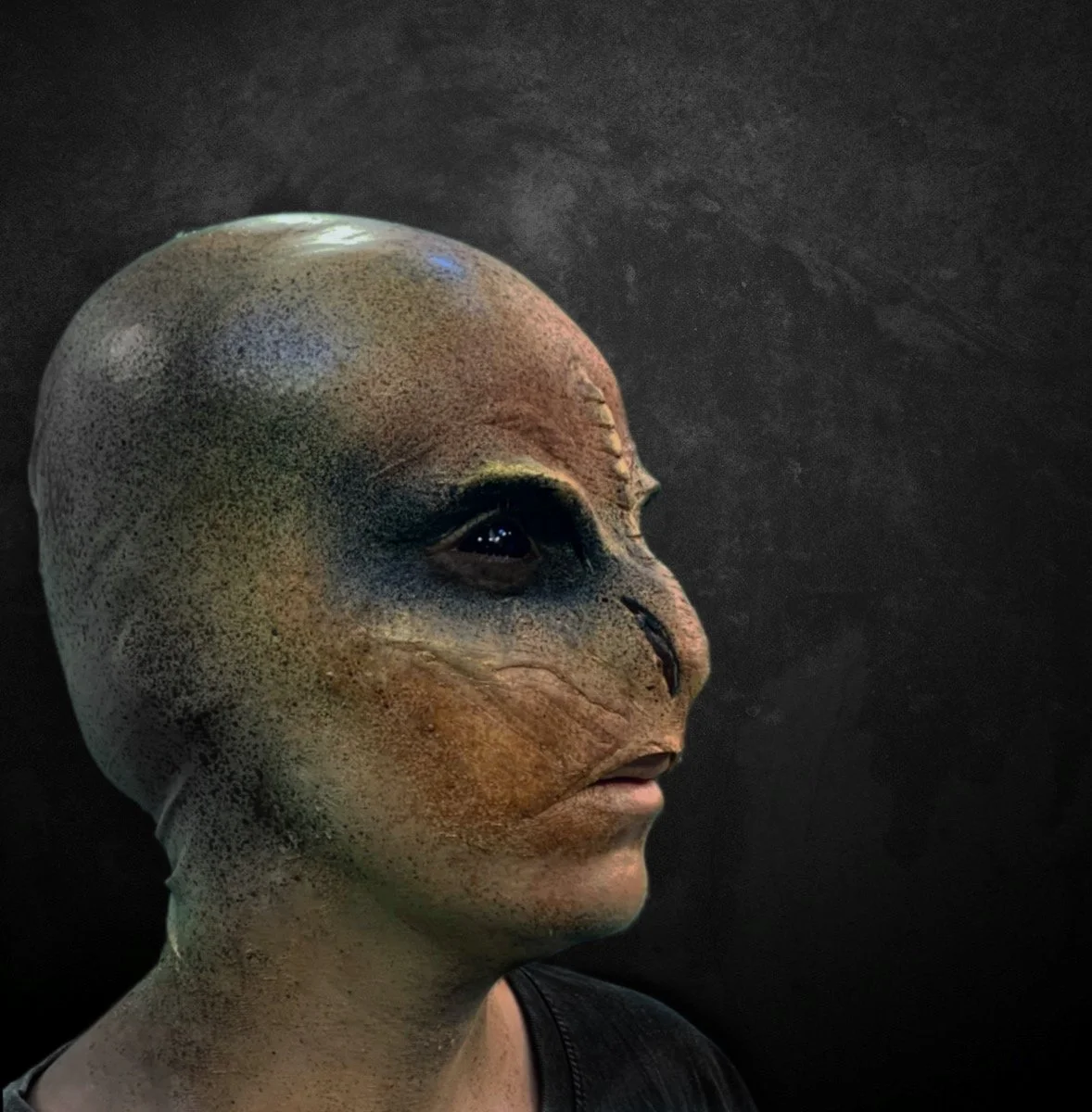
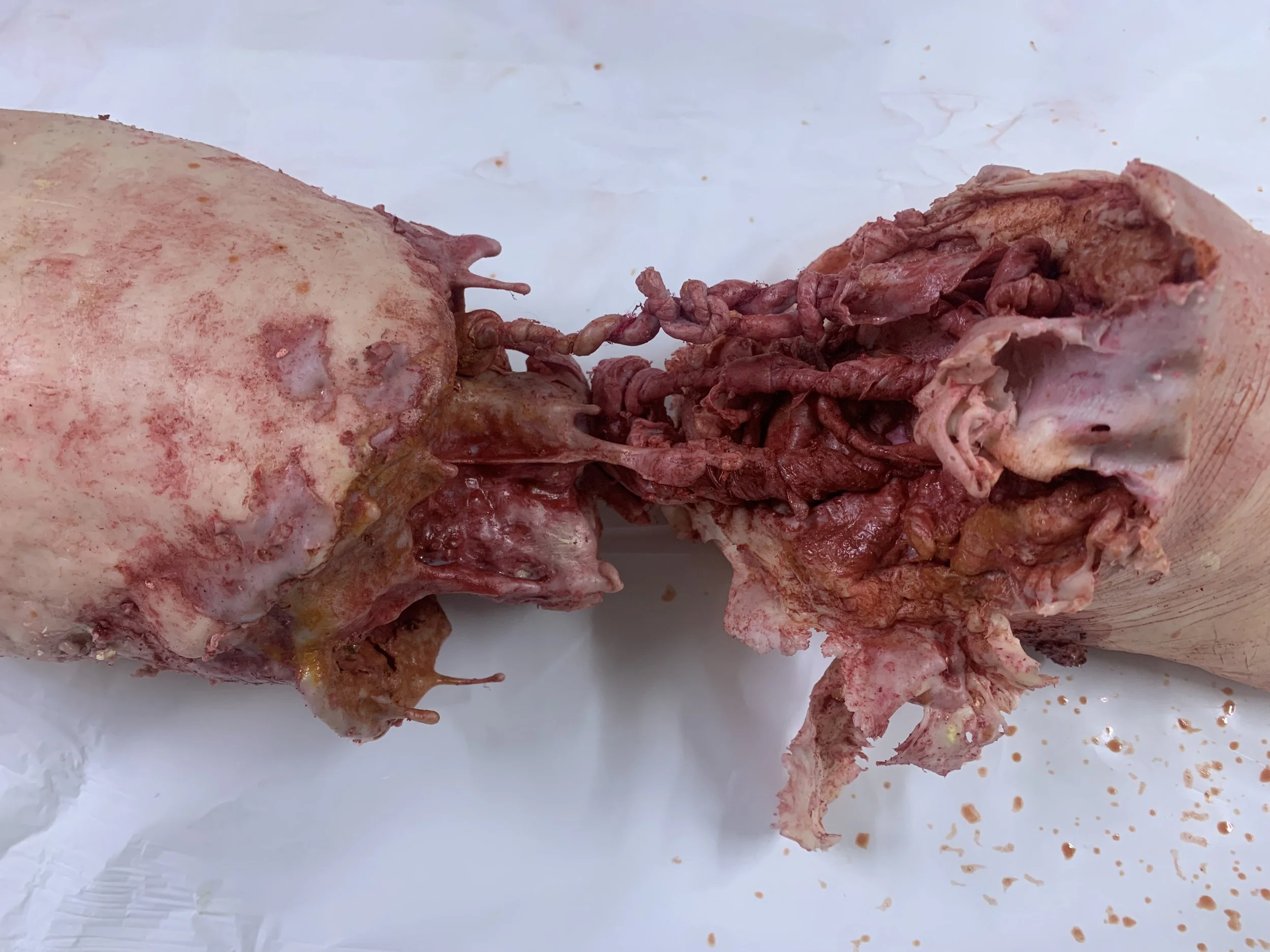
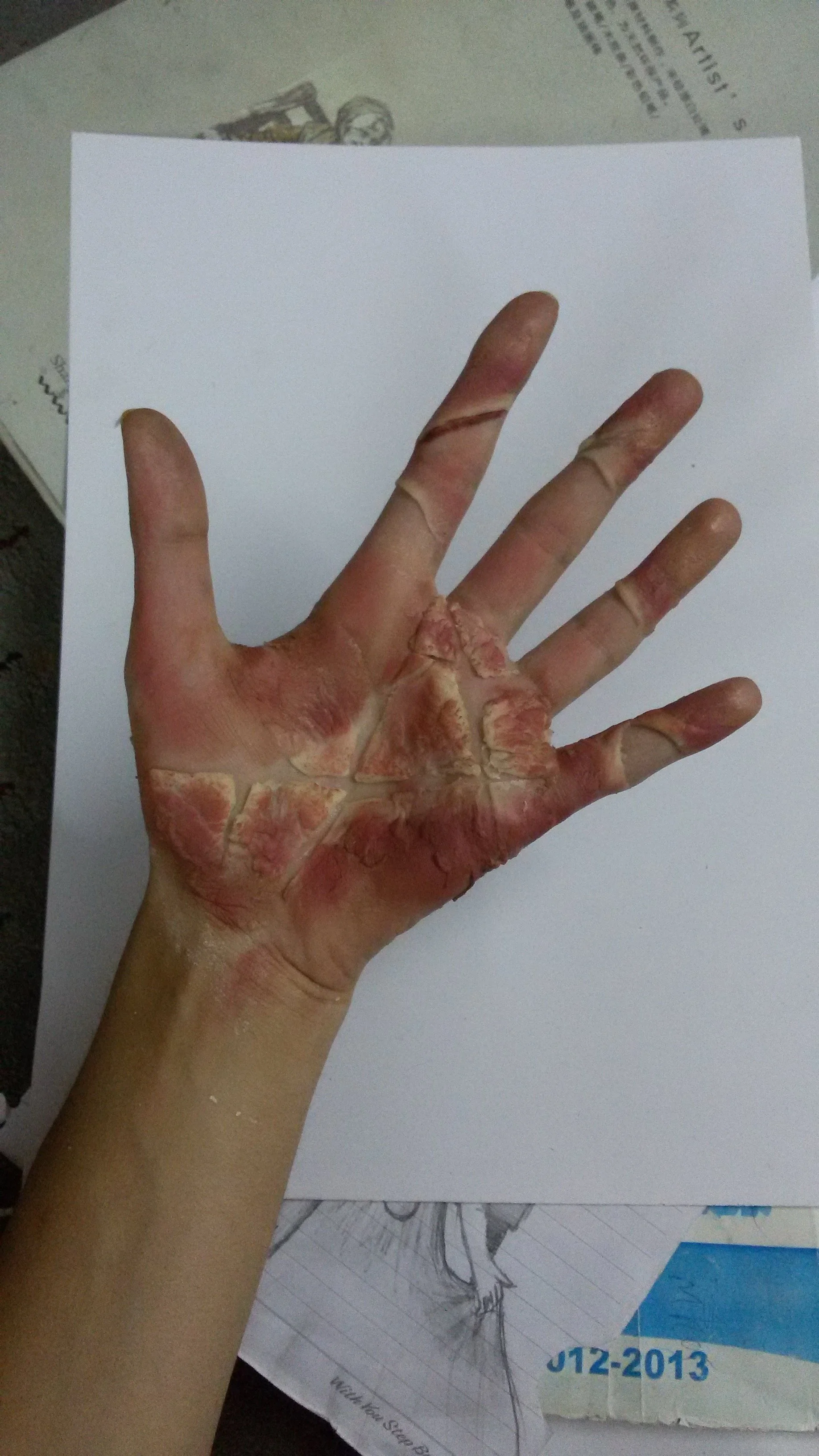
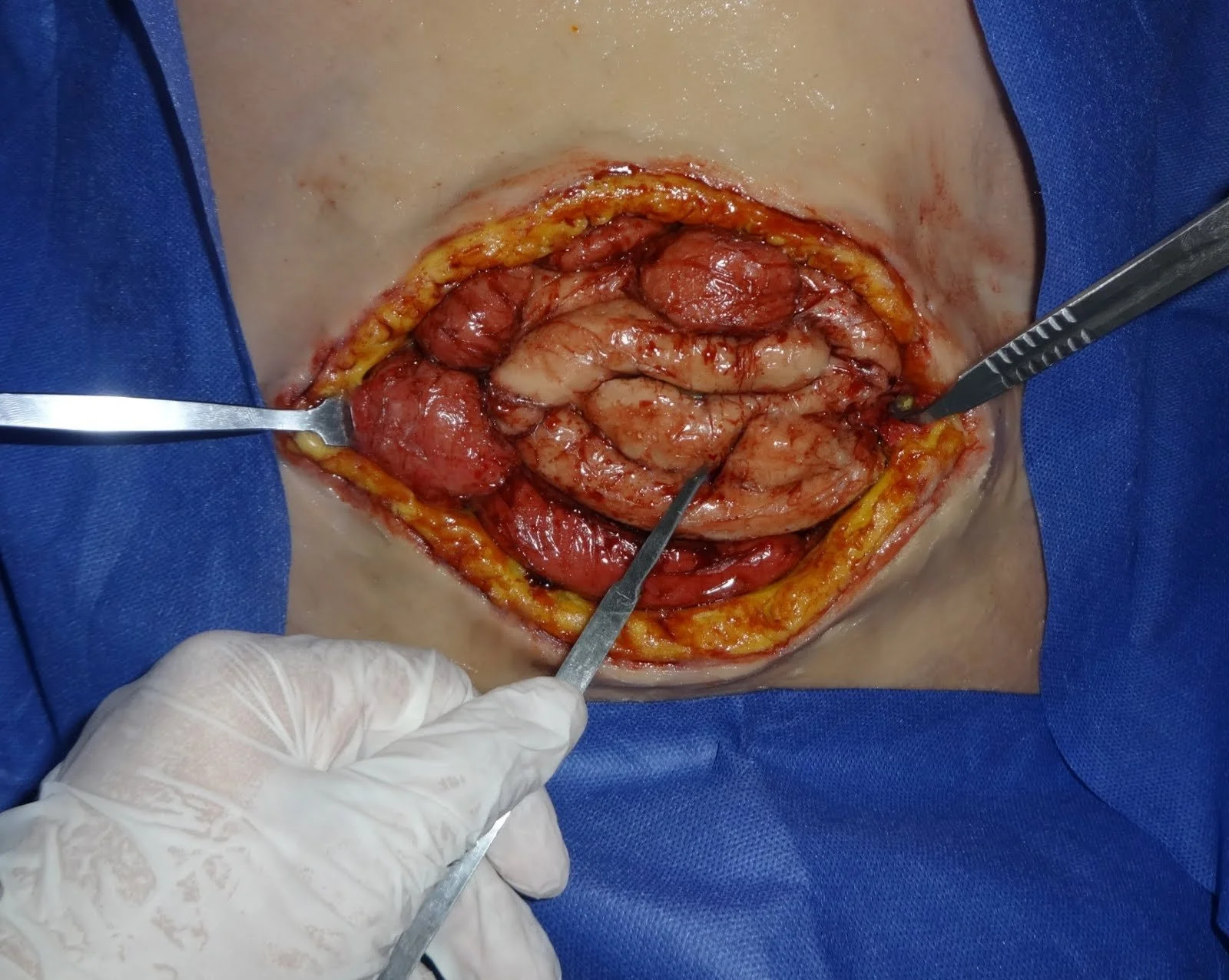
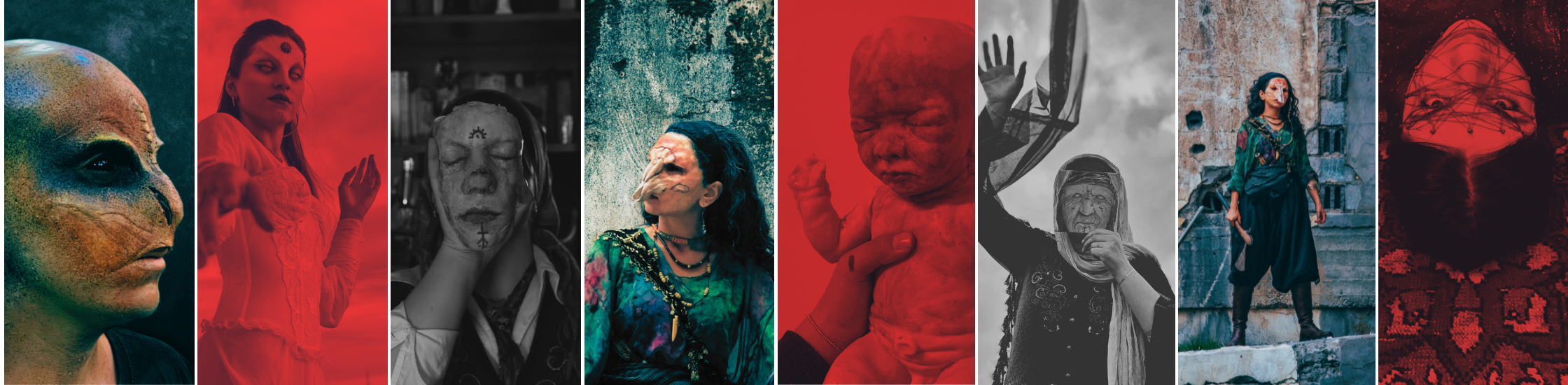
Viewers’ discretion advised - Enjoy more shots of Shatoo’s work below: